If you are considering Ponce-Davis Estates, you are probably looking for something harder to find in Miami-Dade: privacy, land, and a true estate feel in a central location. That combination can be incredibly appealing, but it also means you need to look beyond the house itself and understand how this area works. In this guide, you’ll learn what makes Ponce-Davis distinct, what drives value here, and what due diligence matters most before you buy. Let’s dive in.
What Ponce-Davis Estates Really Is
Ponce-Davis Estates is not a separate city or town. It is an unincorporated pocket of Miami-Dade County in the Coral Gables, South Miami, and Pinecrest corridor, and public records often group it with nearby High Pines as a related submarket.
That matters because county government, not a local municipality, handles governance and many day-to-day services. A 2019 annexation request from Coral Gables for High Pines and Ponce-Davis was denied, so the area remains county-governed.
Why Buyers Are Drawn to Ponce-Davis
The biggest draw is the neighborhood’s estate-style character. County annexation materials describe the area as overwhelmingly residential, with about 95% single-family use and a large share of estate-density residential land.
In practical terms, that creates a setting that feels more like an enclave than a standard subdivision. You are often buying space, mature landscaping, and a sense of separation from surrounding density.
What the Housing Stock Looks Like
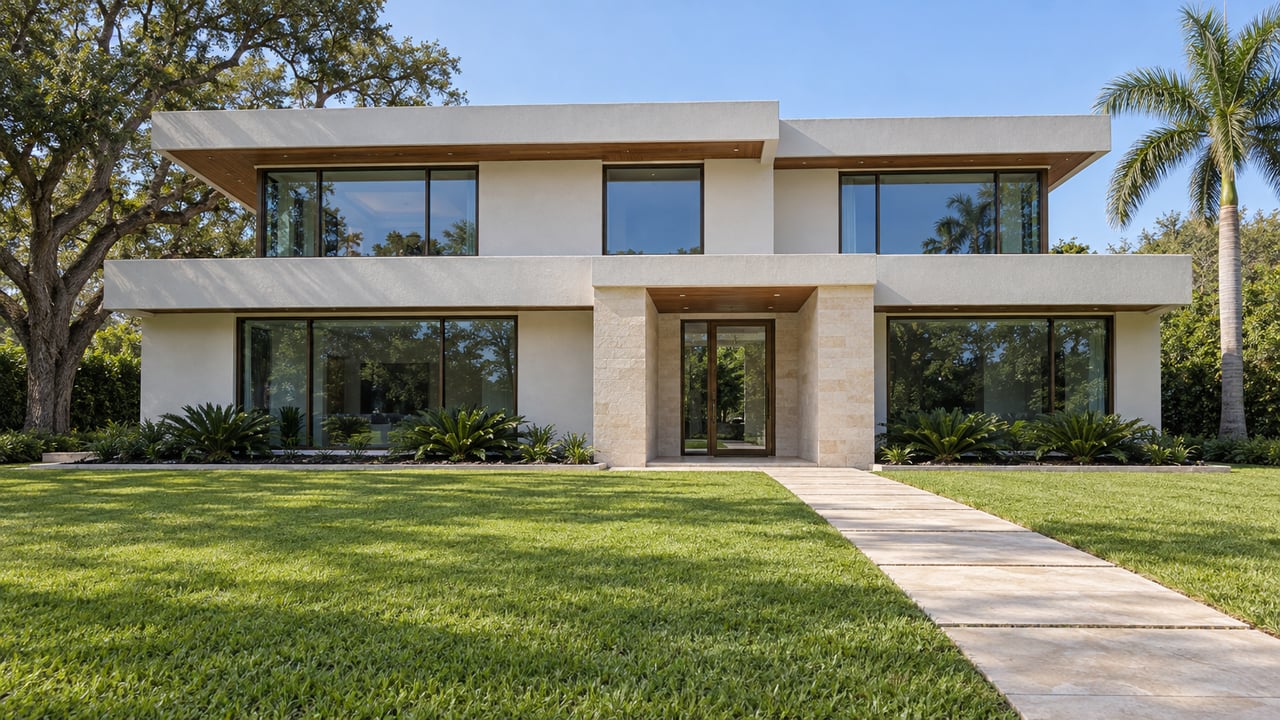
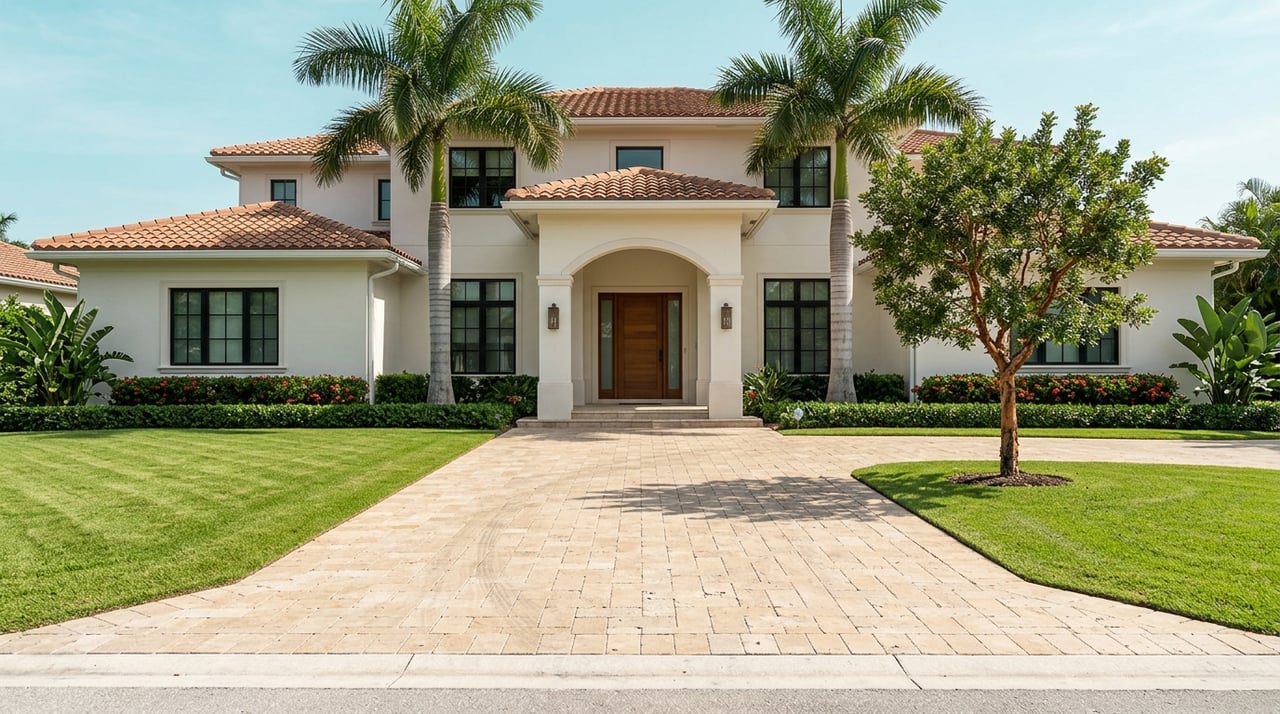
Ponce-Davis is shaped by its lot sizes as much as its homes. Public reporting on current inventory shows a mix that includes contemporary new construction, larger traditional estate homes, and properties where the site itself is the headline feature.
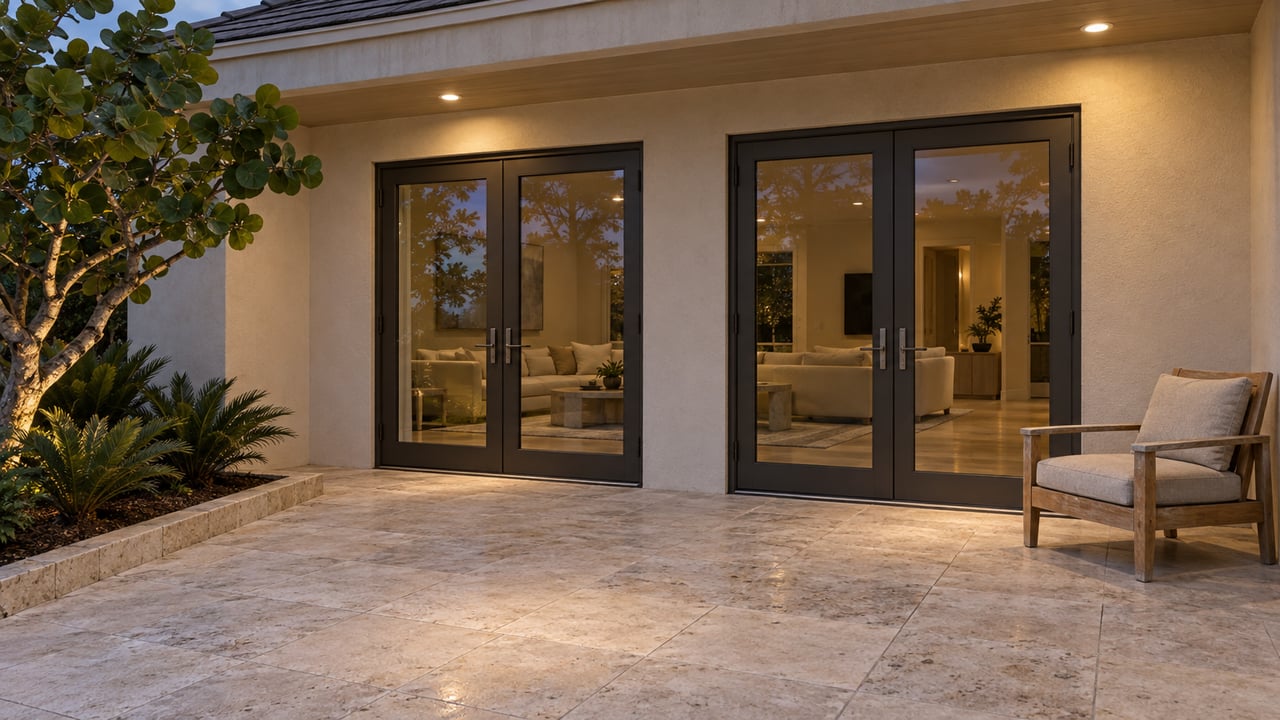
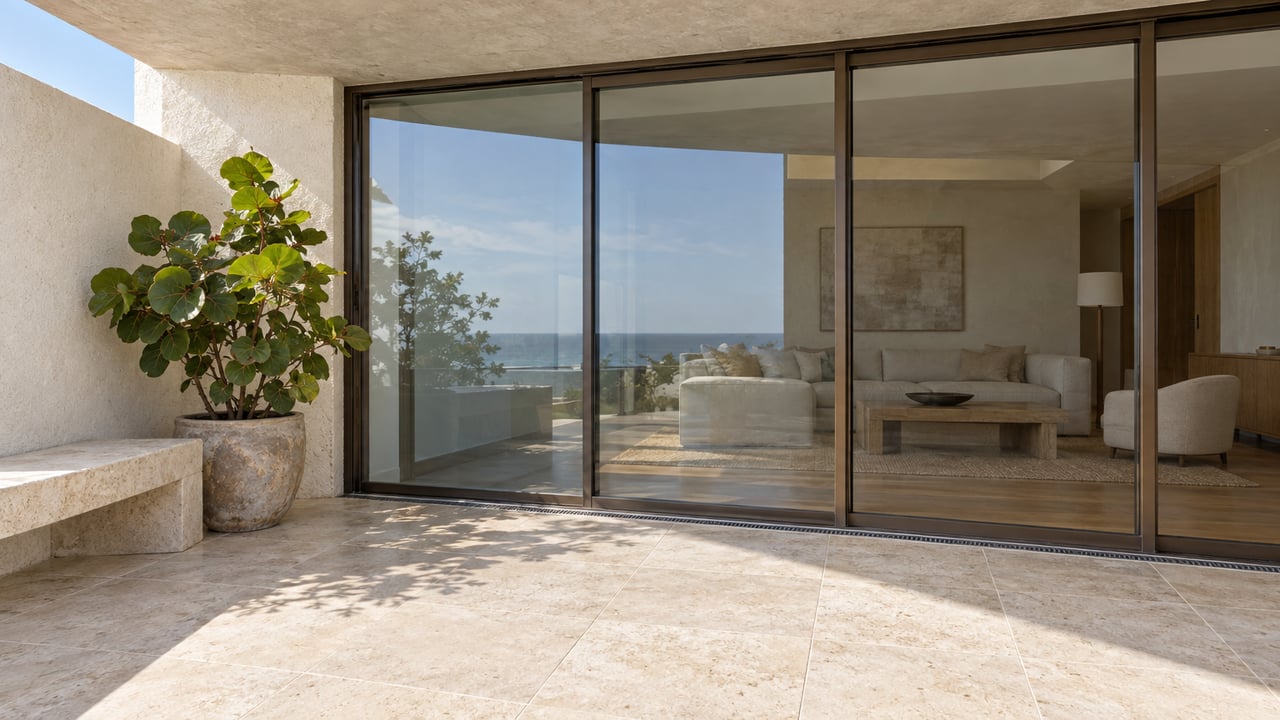
Some homes sit on especially scarce full-acre parcels, while others offer substantial grounds, privacy, and indoor-outdoor living. In this neighborhood, landscaping, canopy, orientation, and lot dimensions can influence value as much as finishes and square footage.
Expect Variety in Architectural Style
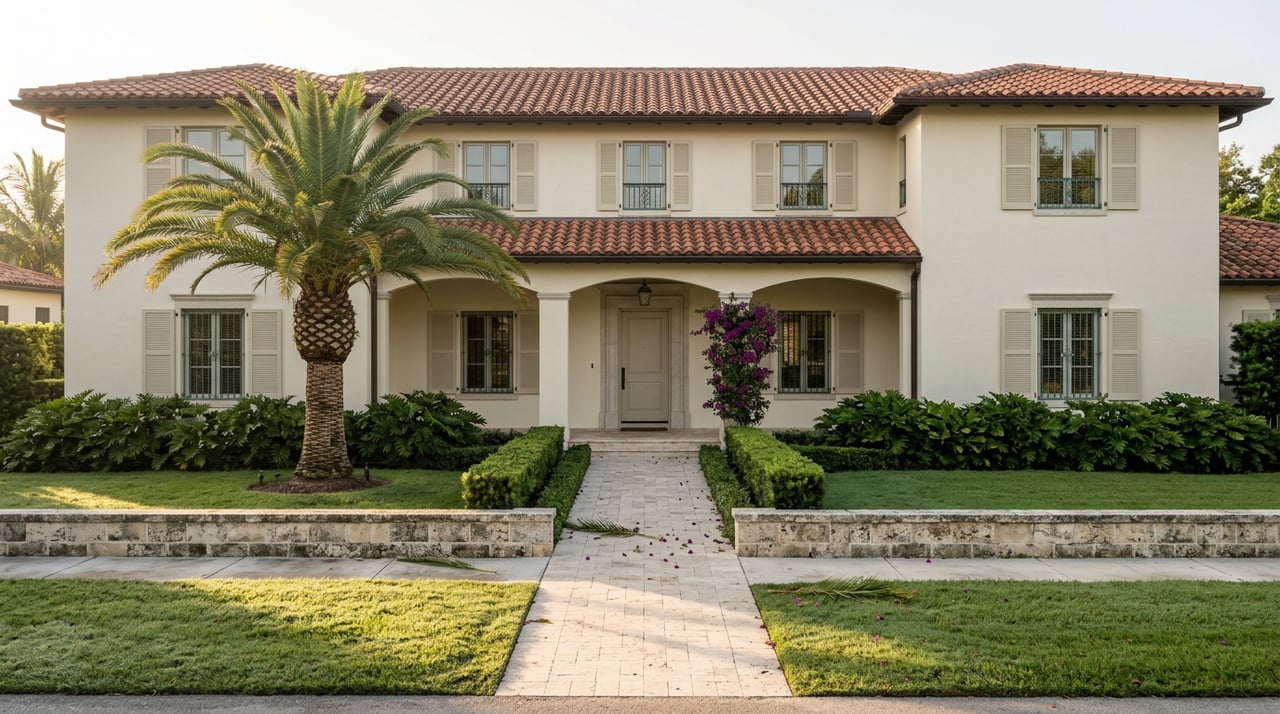
You should not expect one uniform look. The visible architectural range runs from newer contemporary homes with expansive glass and open layouts to more traditional estate residences on larger grounds.
That variety can be a plus for buyers who want options. It also means you need to compare homes carefully, because two properties at similar price points may offer very different long-term value depending on the parcel.
What Really Drives Value Here
In many neighborhoods, buyers focus first on interior updates. In Ponce-Davis, the site often carries equal or greater weight.
Because the area is largely built out, competition tends to center on the best parcels. Larger lots, privacy, mature tree canopy, favorable orientation, and the ability to renovate or rebuild without compromising the site are all important value drivers.
Land Control Matters
A useful way to think about Ponce-Davis is that you may be paying for land control and future flexibility, not just the current house. If a property has a strong parcel with estate character, that can create long-term appeal even if the home needs changes over time.
For some buyers, that means targeting a move-in-ready residence. For others, it may mean prioritizing the lot and location first, then evaluating renovation or rebuilding potential through county rules and property-specific constraints.
What County Governance Means for Buyers
Since Ponce-Davis is in unincorporated Miami-Dade, county systems handle many core services. Miami-Dade provides municipal services such as police and fire rescue to unincorporated residents.
Solid Waste Management also provides full-service waste collection and recycling, and Miami-Dade 311 serves as the county’s non-emergency service channel. For a buyer, this is more than background detail. It helps set expectations for how services, questions, and property issues are handled after closing.
Why Zoning and Permits Matter So Much
In Ponce-Davis, zoning and permitting are county-level issues. Miami-Dade assigns each property a zoning district classification that governs permitted land uses and conditions such as height, area, open space, and setbacks.
That is especially important in an estate-oriented area. County zoning materials show that estate districts can include lot standards ranging from one acre to five acres, so parcel-specific review is essential before you make assumptions about what can be added, changed, or rebuilt.
Check Permit History Early
Permit history should be part of your review from the start. Miami-Dade notes that many common projects require permits, including pools, additions, fences, roofs, windows, and most plumbing, electrical, and mechanical work.
If you are buying a home with past renovations or planning future improvements, you will want to confirm what was permitted and how that history lines up with the current condition of the property. This step can help you avoid expensive surprises later.
Due Diligence Items Buyers Should Prioritize
A purchase in Ponce-Davis deserves a more detailed review than a typical home search. The neighborhood’s scarcity and estate-style parcels make property-level facts especially important.
Before finalizing an offer, focus on these key items:
- Parcel-level zoning and setback requirements
- Permit history for past work and additions
- Flood and drainage considerations
- Easements or tree-related constraints
- Non-ad valorem assessments and any special charges
- Whether the parcel boundaries align clearly with how the home is being marketed
Drainage and Insurance Questions Deserve Attention
County annexation discussions referenced stormwater debt service and canal drainage maintenance in the area. That does not mean every property has the same issue, but it does mean drainage should be reviewed parcel by parcel.
For buyers, this is a reminder to understand how site conditions may affect maintenance planning, insurance considerations, and future improvements. On larger lots, drainage and topography can be just as important as the home itself.
Review Assessments Before You Close
Miami-Dade’s Property Appraiser says non-ad valorem assessments can include items such as solid waste, lighting, landscape, guard district, and CDD charges. These assessments can become liens against the property.
That makes it important to review the full tax and assessment picture before closing. If the home will be your primary residence, you should also note that homestead exemption applications are due by March 1, according to the county.
Why Boundaries Can Be Confusing
One nuance of Ponce-Davis is that public records, neighborhood branding, and nearby submarket names do not always line up neatly. The area is often discussed together with High Pines, which can create confusion if you are relying only on marketing language.
That is why parcel-level verification matters. You want to know exactly how the property is classified, governed, and recorded before you move forward.
Is Ponce-Davis the Right Fit for You?
Ponce-Davis can be a strong fit if you value privacy, low density, and a custom-home feel in a central Miami-Dade location. The area’s appeal comes from estate-scale lots, limited supply, and a residential character that feels distinct from more conventional neighborhoods.
The tradeoff is scarcity. The best parcels are limited, and competition tends to be strongest when a property offers exceptional land, mature landscaping, and long-term optionality.
What Smart Buyers Do Before Making an Offer
If you are serious about buying in Ponce-Davis, it helps to approach the search with a clear framework. Rather than comparing homes only by finishes or list price, compare them by parcel quality, zoning realities, and future flexibility.
A thoughtful buying strategy often includes:
- Defining whether you want a turnkey home, a property to renovate, or a parcel with rebuild potential
- Reviewing county zoning and permit history before committing
- Looking closely at drainage, assessments, and easements
- Weighing the value of privacy, canopy, and site orientation alongside interior design
In a neighborhood like this, informed buyers tend to make better long-term decisions. If you want discreet, concierge-level guidance as you evaluate Ponce-Davis and nearby estate neighborhoods, the Cromer Team is here to help.
FAQs
What is Ponce-Davis Estates in Miami-Dade?
- Ponce-Davis Estates is an unincorporated residential pocket in Miami-Dade County, located in the Coral Gables, South Miami, and Pinecrest corridor rather than a standalone municipality.
What types of homes are in Ponce-Davis Estates?
- Buyers will typically find single-family homes, including estate-style residences, larger traditional homes, and some contemporary newer construction on sizable lots.
Why do lot size and land matter so much in Ponce-Davis?
- Because the area is largely built out, value often centers on parcel quality, privacy, mature landscaping, and the ability to renovate or rebuild without losing the site’s appeal.
Who handles services and permits in Ponce-Davis Estates?
- Since the area is unincorporated, Miami-Dade County handles key services, and county systems also oversee zoning, permitting, and many property-related approvals.
What should buyers check before buying a home in Ponce-Davis?
- Buyers should review parcel-level zoning, permit history, flood and drainage considerations, easements, tree constraints, and any non-ad valorem or special assessments before finalizing an offer.
Are Ponce-Davis and High Pines the same neighborhood?
- They are often discussed together in public records and market conversations, but they are not always identical in branding or parcel boundaries, so buyers should verify each property carefully.