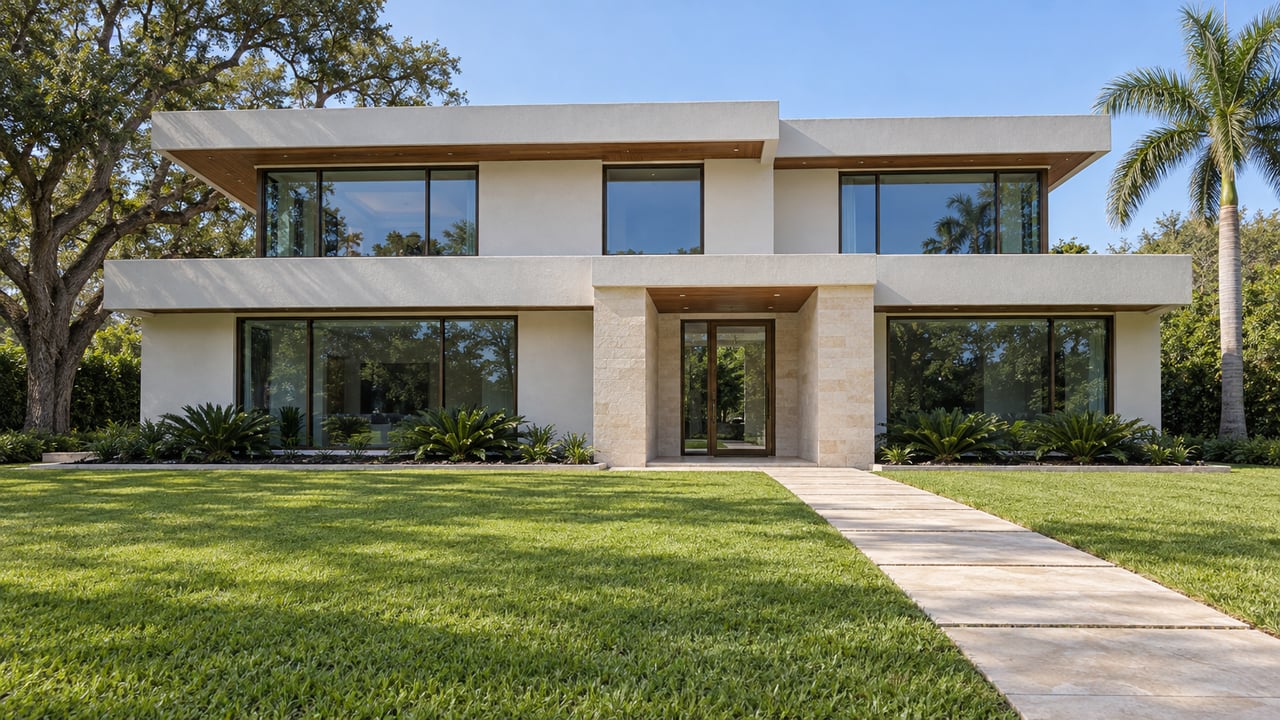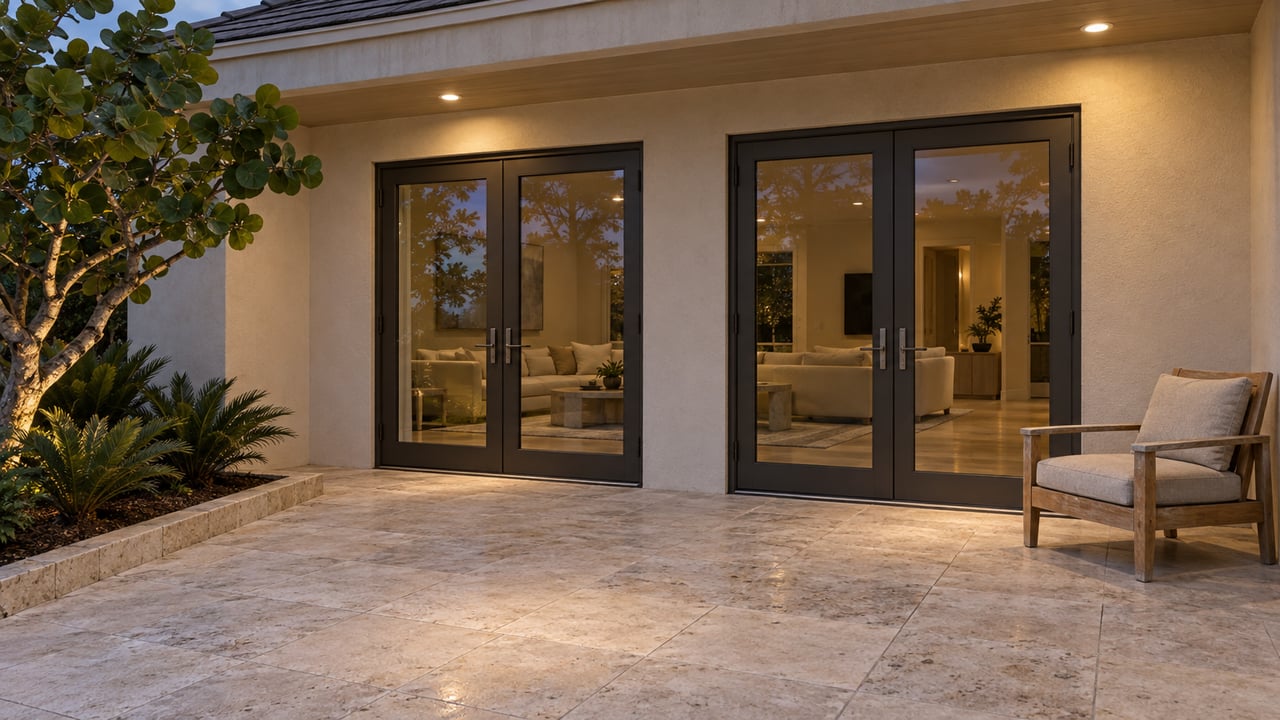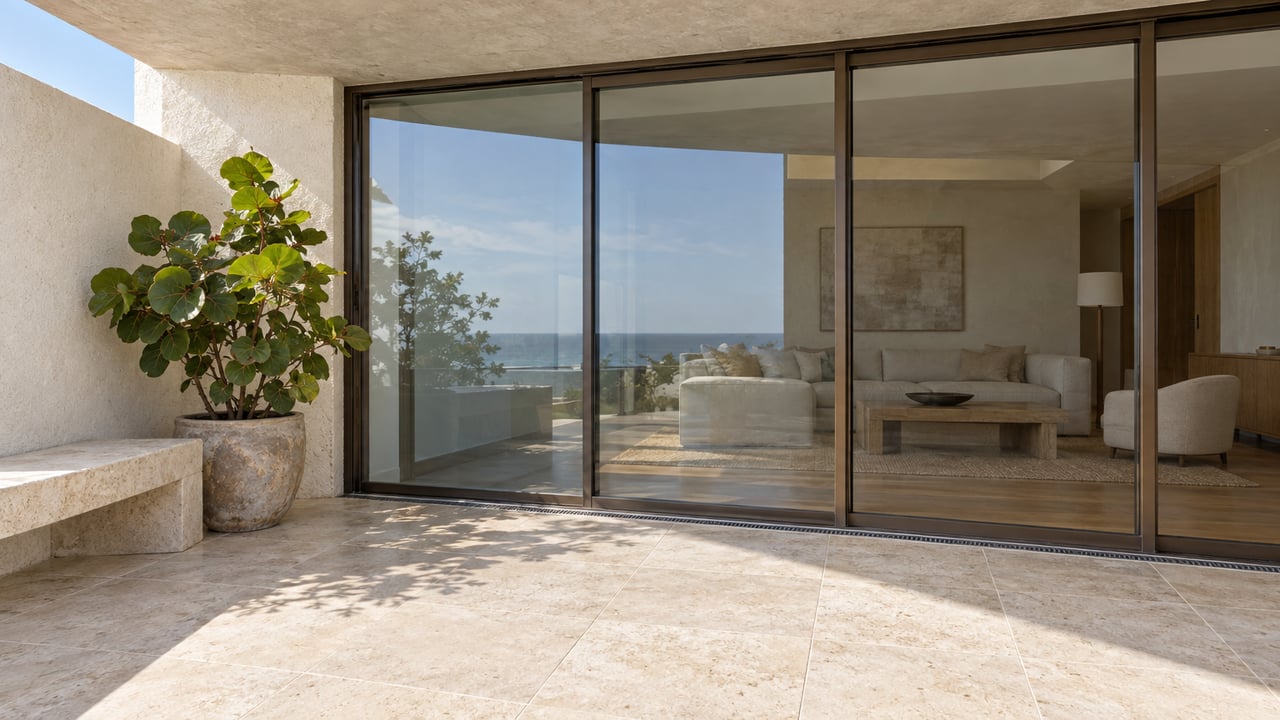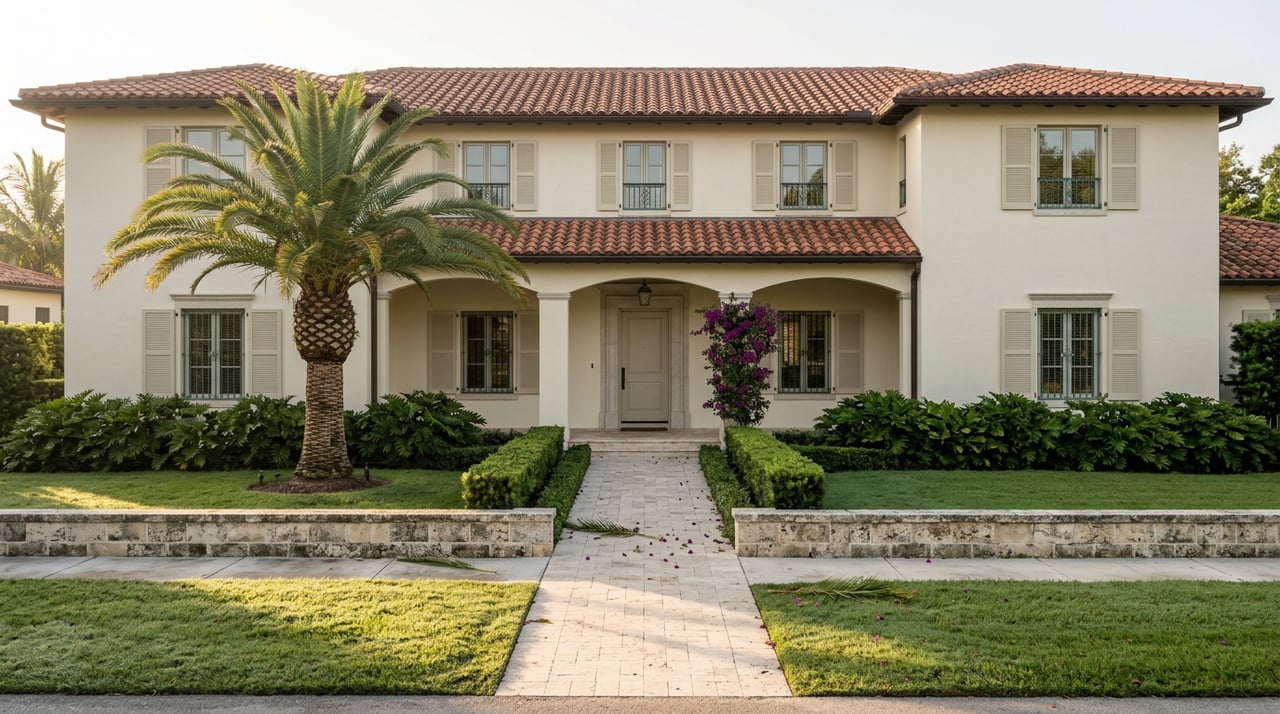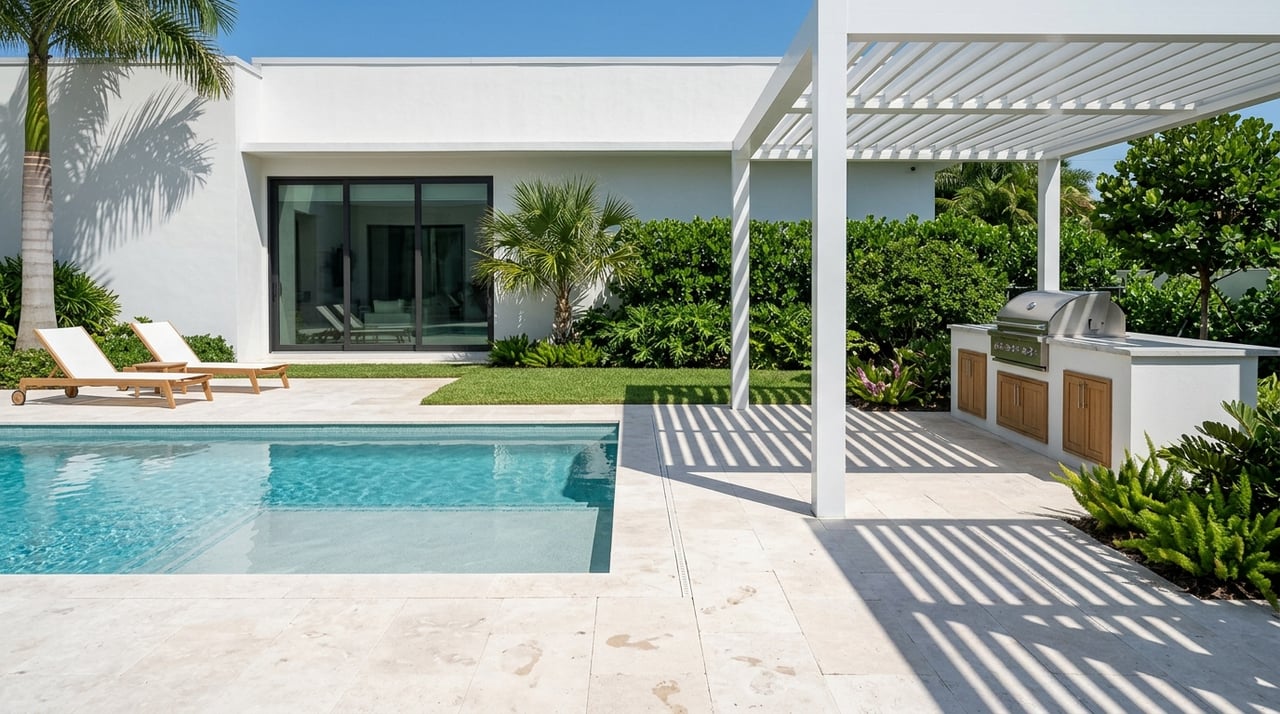
Dreaming of a backyard that feels like a private resort? In Pinecrest, that idea is not just about looks. It is about creating outdoor spaces that work with South Florida heat, heavy rain, and local regulations while still feeling polished, relaxing, and ready for entertaining. If you want your home to deliver more everyday enjoyment and stronger long-term appeal, a smart outdoor plan can make a real difference. Let’s dive in.
Why resort-style living fits Pinecrest
Pinecrest is especially well suited for elevated outdoor living because the Village places real value on landscape quality and tree canopy. According to the Village of Pinecrest, tree preservation and expansion remain ongoing priorities, with more than 10,000 street trees planted since 1997 and programs that support adding native trees in the public right-of-way. These efforts matter because shade, stormwater absorption, habitat support, and property value all connect back to thoughtful landscaping. You can learn more through Pinecrest’s tree preservation and protection resources.
The climate also shapes what “resort-style” should mean here. The National Weather Service office in Miami reported that summer 2025 averaged 84.3°F at Miami International Airport, with 70 days reaching at least 90°F and 11 heat-advisory days in Miami-Dade. The same report notes that heat and humidity often continue well into October, and that September and October are the most hurricane-prone months in South Florida. In practical terms, that means your outdoor design should prioritize shade, airflow, and furnishings that are durable or easy to store when weather changes quickly.
Start with comfort first
A beautiful yard will not feel luxurious if it is uncomfortable to use. In Pinecrest, the most successful outdoor spaces usually begin with the basics: shaded seating, breezy layouts, and surfaces that hold up in heat and rain. When you plan around comfort first, the finished result feels more inviting year-round.
Think in layers instead of one large open patio. A resort-style setup often works best when it includes a covered lounge area, a sunny poolside zone, and a quieter garden corner. That approach gives you flexibility for everyday use, larger gatherings, and changing weather throughout the year.
Pools and decks need planning
A pool is often the centerpiece of a resort-style backyard, but in Pinecrest it is also a true construction project. The Village requires permits for a new pool, deck, or shed, and pools cannot be filled until final inspection is approved. If you are planning a major outdoor upgrade, it helps to account for approval timelines early instead of treating the project like a simple cosmetic refresh.
Pool safety requirements matter too. Pinecrest allows several pool barrier options, including screened patios, wood fences, wire fences, and masonry walls, but the barrier must be at least four feet high. Gates must also close and latch automatically with a safe lock. These rules can still allow for a refined look, but they should shape your design from the beginning, not after construction starts.
Outdoor kitchens are real builds
Outdoor kitchens can add that boutique-hotel feel homeowners love, especially if you enjoy entertaining. In Pinecrest, though, built-in grills, sinks, gas lines, refrigeration, and hardwired lighting are not just decor upgrades. The Village notes that work involving electrical, plumbing, structural, or mechanical systems generally requires permits, and separate applications may be needed for different scopes of work.
That is important for both function and resale. A properly planned outdoor kitchen can feel seamless and high-end, while an unpermitted setup can create headaches later. Before building, review Pinecrest’s permit application guidance and permit FAQs so your project starts on solid ground.
Use landscaping for a luxury look
In Pinecrest, lush landscaping often does as much as the hardscape to create a resort atmosphere. Privacy, softness, and shade usually come from plant selection, not just walls or fencing. The best-looking landscapes tend to feel natural, layered, and tailored to the site instead of overly crowded.
The Village’s Florida-Friendly Yards guidance is especially useful here because it focuses on right plant, right place, efficient watering, and appropriate fertilizing. Native plants are often a smart choice because they are adapted to local conditions and usually need less water, fertilizer, and pesticide. That can help you keep the landscape looking refined without turning maintenance into a full-time job.
Choose plants that match the site
A resort-style yard should still be practical. UF/IFAS points to several South Florida plants that can support a lush but manageable landscape. Cocoplum is often used as a hedge, while fiddlewood and pigeon plum work as native large shrubs or small trees in sun to part shade, and gumbo limbo is considered a low-maintenance shade tree. In shaded areas, Southern shield fern and native sword fern can work well as lower-maintenance groundcover.
The key is matching plants to light levels. UF/IFAS notes that cocoplum can become thin and leggy in too much shade, which is a good reminder that even the most polished landscape depends on careful placement. A layered plan with trees, screening shrubs, and shade-tolerant groundcover can give your yard that lush Pinecrest feel without constant reworking.
Keep maintenance manageable
A resort-style backyard should make life easier, not busier. Pinecrest supports this approach with resources for irrigation evaluations, rebates, rain-barrel workshops, and free composting through its rebates and resources page. If you want a manicured outdoor setting with lower water use, these local programs are worth a look.
Watering rules also affect long-term upkeep. On Miami-Dade’s three-day watering schedule, odd-numbered addresses water on Monday, Wednesday, and Saturday, while even-numbered addresses water on Tuesday, Thursday, and Sunday. Watering is limited to before 10 a.m. or after 4 p.m., which supports more efficient use and helps reduce waste.
Fertilizer rules matter as well. Pinecrest and Miami-Dade prohibit fertilizer use from May 15 through October 31, and Pinecrest’s ordinance also calls for 0% phosphorus fertilizer and at least 65% slow-release nitrogen. According to the South Florida Water Management District’s watering and fertilizer guidance, these rules are intended to reduce nutrient runoff into storm drains, canals, and Biscayne Bay.
Plan for lighting and privacy
Lighting can make an outdoor space feel elevated very quickly. Path lights, uplighting, and soft task lighting around seating or dining areas can extend the use of your yard well into the evening. Still, it is important to think through where fixtures, wiring, and irrigation lines will go before installation begins.
If you want to install landscape lighting or sprinklers in the public right-of-way near the street, Pinecrest requires a Public Works permit. The Village also notes that utility easements should remain free of landscaping or structures, and canal-adjacent properties should keep canal embankments clear of trees, shrubs, fences, sheds, decks, and gazebos. You can review these limits in Pinecrest’s right-of-way and utility easement guidelines.
Know the permit process early
One of the easiest ways to lose momentum on an outdoor project is to underestimate permitting. Pinecrest has moved to digital plan submissions, though paper submissions after January 2025 may be converted for an added fee. The Village says applicants must submit a notarized permit application, two sets of plans, and, when outside agencies are involved, get a Village permit number before submitting to Miami-Dade.
That may sound detailed, but it is far better than dealing with work completed without permits. Pinecrest notes that unpermitted work may be subject to removal or other costly remedies. If you are considering acting as an owner-builder, be sure to verify the legal implications carefully, since Miami-Dade warns that some owner-completed substantial improvements can trigger enforcement if the home is sold or leased within 24 months.
Think about lifestyle and resale
The best outdoor spaces do more than photograph well. They support the way you actually live, whether that means quiet mornings by the pool, easy family dinners outdoors, or hosting friends on weekends. In a place like Pinecrest, a thoughtful backyard can also strengthen how a property is perceived because buyers often expect outdoor living to feel like a true extension of the home.
That does not mean every yard needs every luxury feature. In many cases, a shaded seating area, a well-planned pool deck, layered landscaping, and efficient irrigation can create a stronger result than trying to fit in too much. The most successful spaces usually feel calm, cohesive, and easy to maintain.
If you are thinking about how outdoor upgrades could affect your home’s enjoyment or future market appeal in Pinecrest, the Cromer Team can help you evaluate what makes sense for your property, your goals, and the way buyers respond to thoughtful design in this market.
FAQs
Do I need a permit for a pool or deck in Pinecrest?
- Yes. Pinecrest specifically requires permits for new pools, decks, and sheds, and pools cannot be filled until final inspection is approved.
Do outdoor kitchens in Pinecrest require permits?
- Usually, yes. If the project involves electrical, plumbing, structural, or mechanical work such as gas lines, sinks, or hardwired lighting, Pinecrest generally requires permits.
What plants work well for resort-style landscaping in Pinecrest?
- Native and site-appropriate plants are a strong choice, including options UF/IFAS identifies for South Florida such as cocoplum, fiddlewood, pigeon plum, gumbo limbo, Southern shield fern, and native sword fern.
How can I make a Pinecrest backyard feel luxurious but lower maintenance?
- Focus on shade, layered landscaping, efficient irrigation such as drip systems, and plants matched to the right sun or shade conditions.
Are there watering and fertilizer rules for Pinecrest landscaping?
- Yes. Miami-Dade uses a three-day watering schedule by address number, watering is limited to before 10 a.m. or after 4 p.m., and fertilizer is prohibited from May 15 through October 31.
Can I build fences or privacy features anywhere in a Pinecrest yard?
- Not always. Fence height limits, pool barrier rules, utility easements, and canal embankment restrictions can all affect where privacy features and structures may go.