Dreaming about a Miami second home but not sure whether Key Biscayne fits the life you actually want? That question matters more here than in many other luxury markets, because Key Biscayne offers a very specific kind of ownership experience. If you are weighing convenience, waterfront access, privacy, and long-term carrying costs, this guide will help you decide whether the island aligns with your goals. Let’s dive in.
Key Biscayne at a Glance
Key Biscayne is not just another Miami neighborhood. It is a compact barrier-island village that feels more self-contained than most areas in greater Miami.
The island is described in the Village emergency plan as 7 miles long and 2 miles wide, with the Village itself covering 1.25 square miles. It sits south of Miami Beach and east of Miami, at about 5 feet above sea level, which shapes both the lifestyle and the ownership tradeoffs.
For many second-home buyers, that smaller scale is the appeal. You get a residential resort feel with local services nearby, without the density and pace that often come with more urban luxury locations.
What Everyday Life Feels Like
One of Key Biscayne’s biggest strengths is that it works well for frequent use. If your ideal second home is somewhere you can enjoy on long weekends, holiday trips, or extended seasonal stays, the island’s service mix supports that rhythm.
The Village emergency plan notes that local retail serves both residents and visitors. Village park materials also point to a community center, neighborhood parks, a library-adjacent park, and an oceanfront Beach Park with resident-only waterfront access by key fob.
Miami-Dade is also replacing the Key Biscayne Branch library with a new 20,000-square-foot facility on Crandon Boulevard, nearly three times larger than the existing branch. That kind of civic investment reinforces the island’s village feel and everyday livability.
Why that matters for a second home
A second home should be easy to enjoy, not just beautiful on paper. Key Biscayne offers enough daily convenience to make spontaneous visits practical, while still feeling separate from the mainland.
That said, this is not downtown Miami. If you want constant nightlife, dense retail, and a true walk-everywhere urban environment, the island may feel quieter and more contained than what you have in mind.
Beaches, Boating, and Outdoor Access
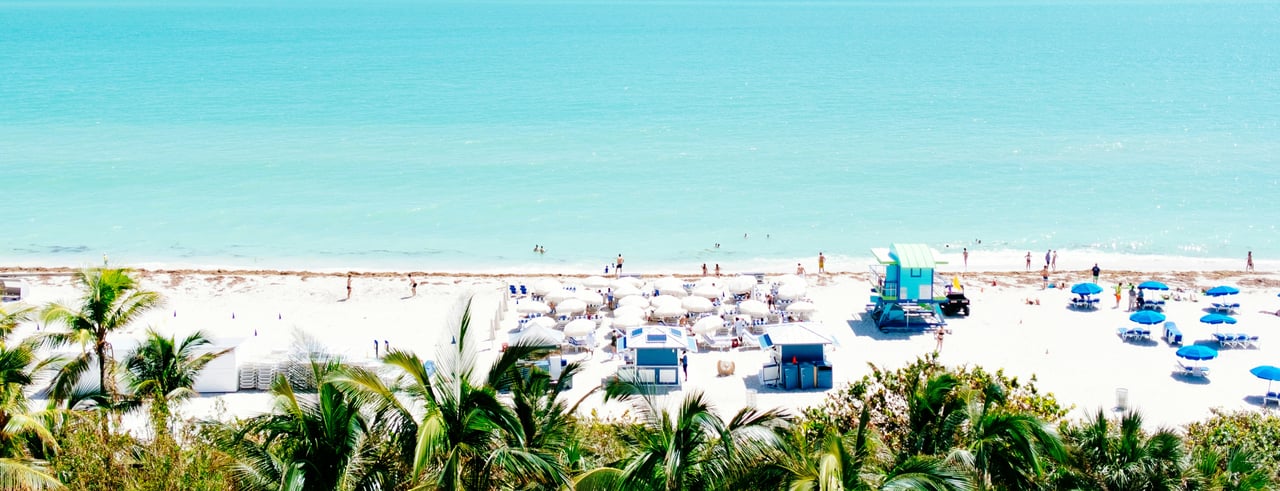
If your vision of a Miami second home centers on water, Key Biscayne makes a strong case. The island lifestyle here is closely tied to boating, beach time, and outdoor recreation.
Miami-Dade’s Crandon Marina offers a 24-hour boat ramp, fuel, pumpout, wet slips, dry storage, transient access, and accommodations for vessels up to 80 feet. Crandon Park also includes an 18-hole golf course, tennis center, nature center, and waterfront recreation on Biscayne Bay.
On the ocean side, Bill Baggs Cape Florida State Park offers beach access, fishing, biking, paddling, a canoe-kayak launch, a lighthouse, and a café. The park notes that it can become extremely busy on weekends and holidays and may close when it reaches capacity.
Best fit for active owners
This setting works especially well if you picture yourself using the home, not just holding it. Buyers who value early morning walks, boating access, paddle outings, and beach days often see Key Biscayne as more of a lifestyle purchase than a simple pied-à-terre.
Still, it is wise to go in with realistic expectations. Popular amenities can be crowded at peak times, and some Village amenities are reserved for residents rather than broadly open to the public.
Key Biscayne Home Prices and Market Position
Key Biscayne is firmly in the luxury category, and that should shape your expectations from the start. This is not a mainstream entry point into the Miami second-home market.
In Q1 2026, single-family homes in Key Biscayne had a median sale price of $4.16 million. By comparison, the countywide median for single-family homes in Miami-Dade was $680,000.
The same quarter, the Key Biscayne ZIP code recorded 10 closed single-family sales, a 210-day median time to contract, and 13.8 months of supply. That points to a slower, higher-end market where patience and pricing discipline matter.
In the condo and townhome segment, the median sale price was $1.197 million, compared with Miami-Dade’s countywide condo median of $422,000. That segment recorded 47 closed sales and 7.5 months of supply, suggesting more activity than the single-family side of the market.
Luxury market context
Miami Realtors’ Q1 2026 luxury report places Key Biscayne among Miami-Dade’s luxury markets alongside areas such as Coral Gables and Coconut Grove. The same report sets Key Biscayne’s single-family luxury threshold at $15.2 million and its ultra-luxury threshold at $19.8 million.
For you as a buyer, the takeaway is simple: Key Biscayne competes at a high level. Whether you are considering a condo or a single-family home, you are buying into a market with premium pricing and a distinct lifestyle proposition.
Condo or Single-Family for a Second Home?
This is one of the most important decisions you will make on Key Biscayne. The right answer depends less on status and more on how you plan to use the property.
When a condo may fit better
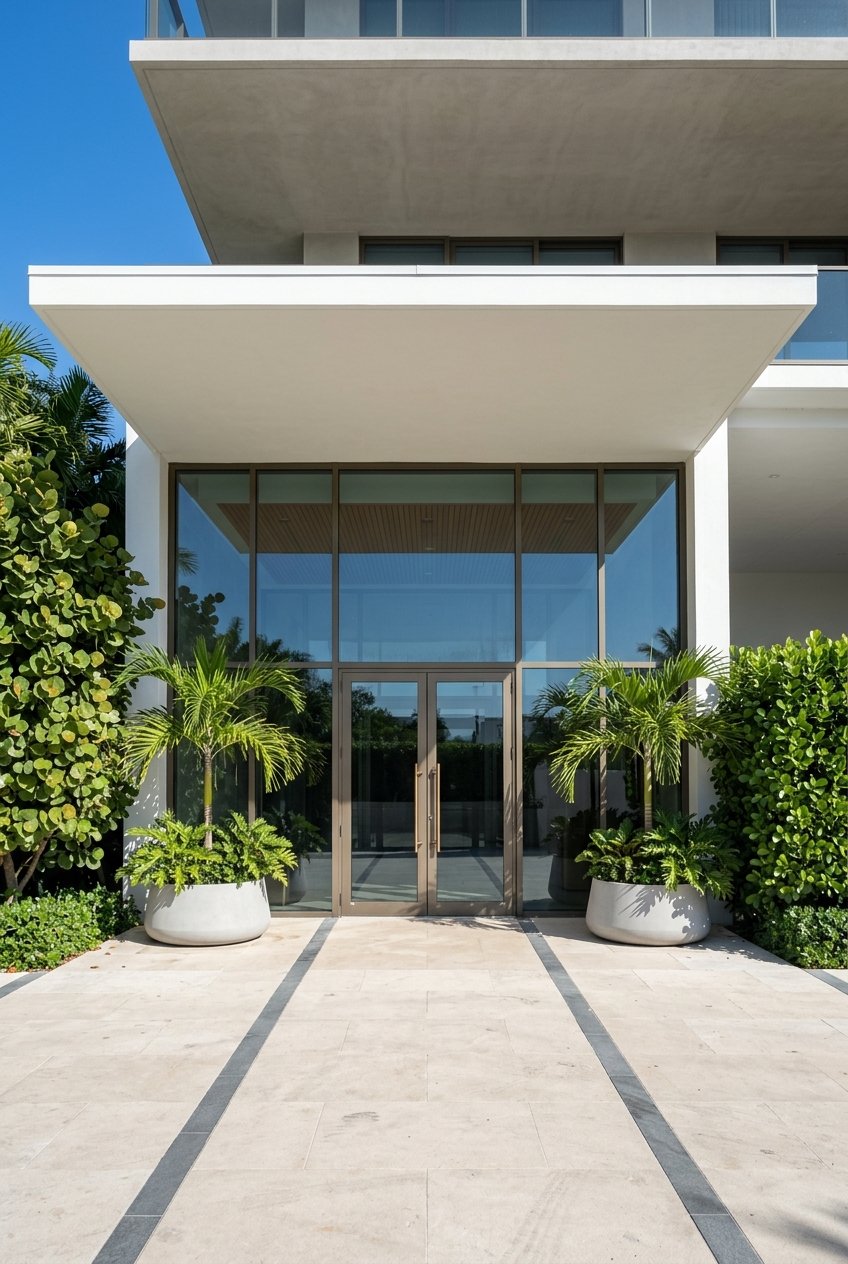
For many second-home buyers, a condo is the more practical choice. In general, condos can be a better match for lock-and-leave ownership because the association handles more of the building-level maintenance.
That setup may appeal to you if you live out of state, travel often, or want a simpler ownership structure between visits. It also aligns with the fact that the condo market is more active than the single-family segment based on the current closed-sale data.
When a single-family home may fit better
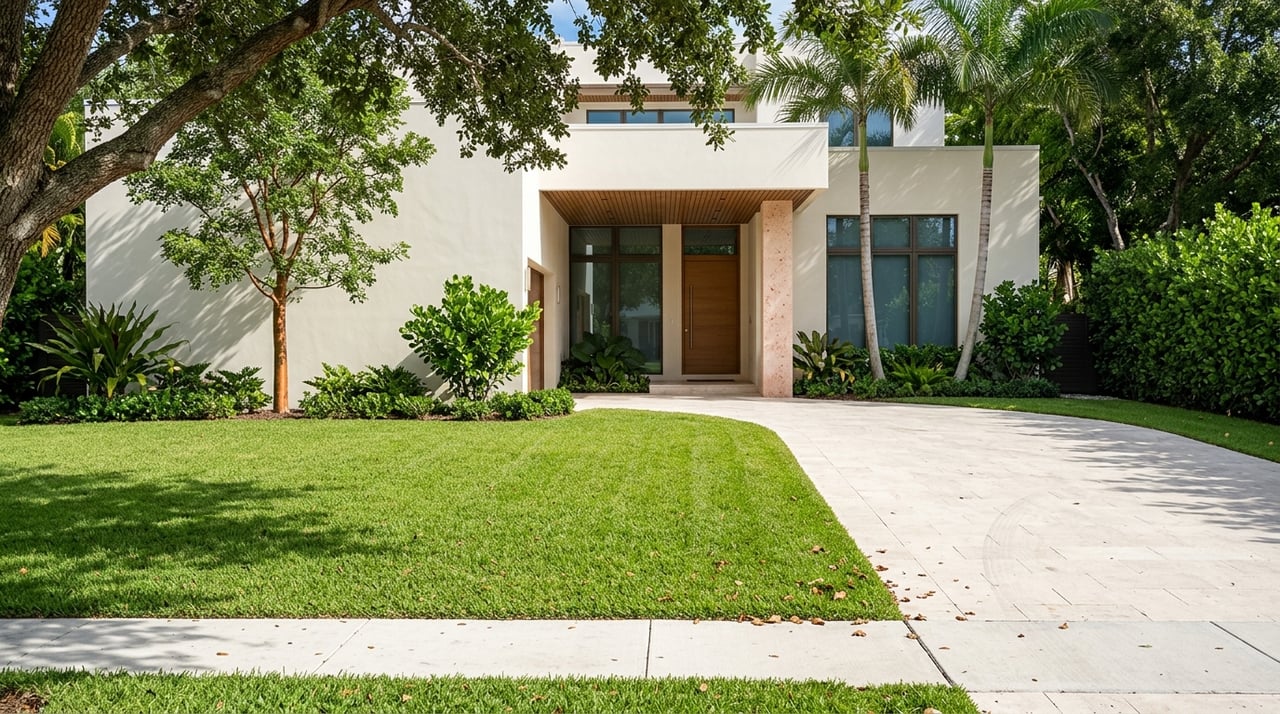
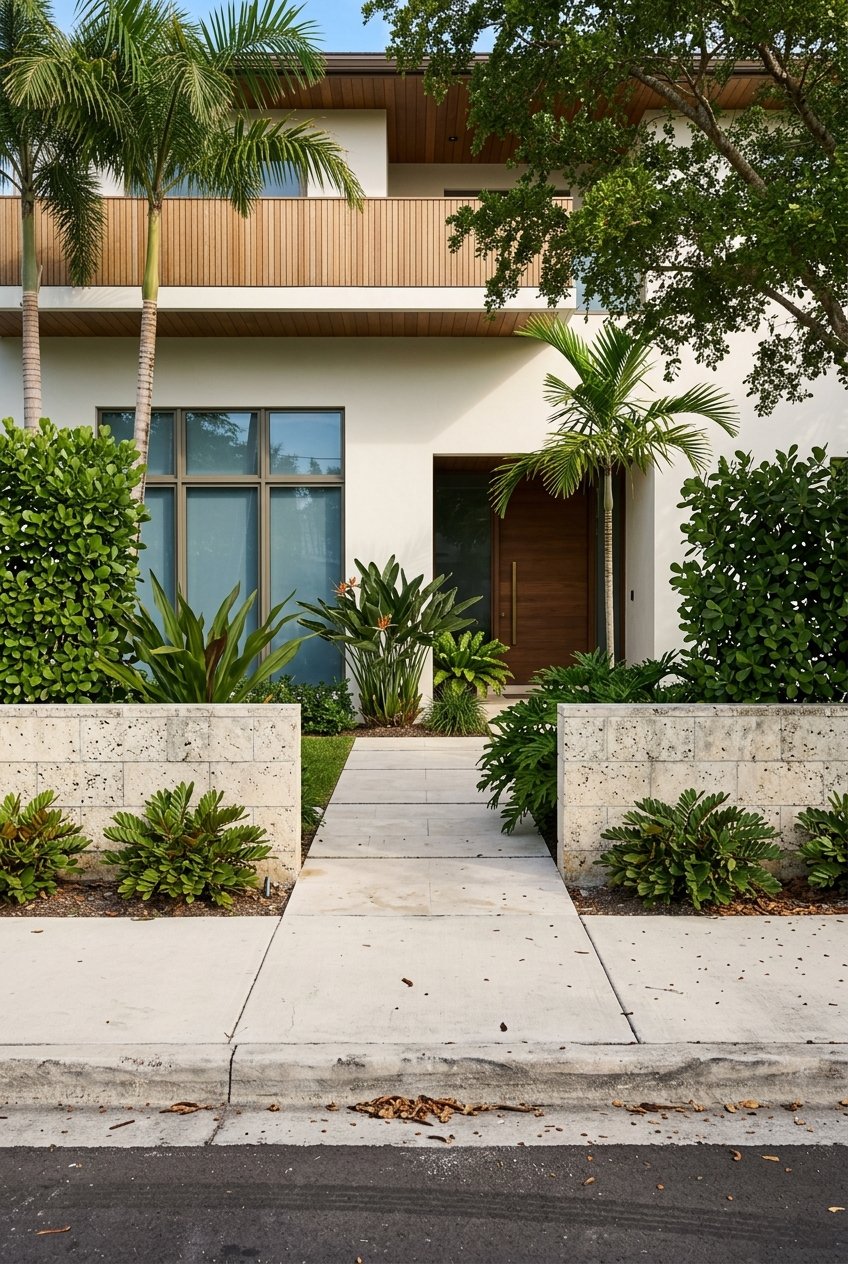
A single-family home may make more sense if you want greater privacy, more outdoor space, or features such as a pool or dock. For some buyers, that is the whole point of owning on Key Biscayne.
The tradeoff is that detached ownership usually asks more of you in terms of upkeep, storm planning, and property oversight. If your goal is minimal friction, this option may require a more hands-on mindset.
Ownership Tradeoffs You Should Plan For
Key Biscayne’s appeal is real, but so are its responsibilities. Before you buy, it helps to understand the practical issues that come with owning on a low-lying island.
Flood risk is part of ownership
The Village flood guide describes Key Biscayne as a low-lying coastal community. The Village participates in the National Flood Insurance Program Community Rating System and maintains a 10% discount on flood insurance premiums for residents and businesses.
FEMA guidance cited in the research notes that flood insurance requirements apply in Special Flood Hazard Areas, and government-backed mortgages generally require flood coverage there. In plain terms, flood planning is not optional background noise here. It is a core part of due diligence.
Hurricane planning is more important here
Because of its low elevation and direct Atlantic exposure, Key Biscayne is usually among the first Miami areas evacuated before a hurricane. The Rickenbacker Causeway is the island’s only land connection, which means ingress and egress depend on a single tolled corridor.
For second-home owners, that affects everything from storm preparation to timing your departures during weather events. If you want the simplest possible ownership experience, bridge dependence is a meaningful factor.
Homestead savings usually do not apply
Miami-Dade’s exemption guide states that homestead exemption requires permanent residence on the property. If you are purchasing a true second home, you generally should not expect homestead-based tax savings unless the property later becomes your primary residence.
That is an important budgeting point, especially when comparing Key Biscayne to other ownership scenarios. Your tax assumptions should reflect second-home status from day one.
Condo Due Diligence Deserves Extra Attention
If you are leaning toward a condo, Florida’s current condominium rules deserve careful review. This is especially true for second-home buyers who want predictability in monthly ownership costs.
Florida statutes require many condominium associations to complete milestone inspections and structural integrity reserve studies. Sale contracts may also need to disclose whether those reports are complete, and in some situations a buyer can void the contract within 15 days after receiving the required documents.
What to review before you commit
Before you move forward on a condo, pay close attention to:
- Monthly association dues
- Reserve funding levels
- Any planned or recent special assessments
- Whether required inspections and reserve studies are complete
- The full package of condominium documents provided during contract review
This is where a thorough, concierge-style buying process matters. In a luxury island market, details that seem administrative can have a real impact on both cost and peace of mind.
Who Key Biscayne Fits Best
Key Biscayne tends to work best for buyers who want their second home to feel like a retreat with substance. It is especially compelling if you expect to use the property often and value boating, beach access, and a distinct island atmosphere.
You may find it a strong fit if you want:
- A residential setting with a resort-like feel
- Strong access to boating and outdoor recreation
- A luxury market with both condo and single-family options
- A second home you plan to enjoy regularly, not just occasionally
It may be less ideal if you prefer:
- The easiest possible urban lock-and-leave setup
- Multiple land access routes
- Fewer weather-related ownership considerations
- A lower-cost entry point into Miami luxury ownership
The Bottom Line on Key Biscayne
Key Biscayne can be an exceptional Miami second-home choice, but only if you want what makes it unique. The island offers a rare mix of luxury housing, village-scale convenience, and water-centered living that is hard to replicate elsewhere in Miami-Dade.
At the same time, the same features that make it special also create complexity. Flood exposure, hurricane planning, causeway dependence, and luxury-level carrying costs all deserve honest consideration before you buy.
If you are looking for a second home that feels immersive, active, and distinctly coastal, Key Biscayne may be exactly right. If you want the most effortless part-time ownership experience, it is worth comparing the island carefully against mainland luxury options with fewer logistical hurdles.
If you are considering a second home in Key Biscayne or weighing it against other luxury Miami neighborhoods, the Cromer Team offers discreet, concierge-level guidance to help you evaluate the right fit for your lifestyle and goals.
FAQs
Is Key Biscayne a good place for a Miami second home?
- Key Biscayne can be a strong choice if you want a luxury second home with beach access, boating amenities, and a quieter island setting rather than a dense urban environment.
Are Key Biscayne condos or houses better for second-home buyers?
- Condos are often the easier fit for lock-and-leave use, while single-family homes may suit buyers who want more privacy, outdoor space, or waterfront features.
Is Key Biscayne expensive compared with the rest of Miami-Dade?
- Yes. In Q1 2026, Key Biscayne’s median sale price was $4.16 million for single-family homes and $1.197 million for condos and townhomes, both well above countywide medians.
What are the main risks of owning a second home in Key Biscayne?
- The main considerations include flood risk, hurricane evacuation planning, insurance needs, causeway dependence, and, for condo buyers, careful review of association finances and required inspections.
Can you get a homestead exemption on a Key Biscayne second home?
- Generally no, because Miami-Dade requires homestead exemption applicants to permanently reside in the property, which typically does not apply to a true second home.
What makes Key Biscayne different from other Miami luxury areas?
- Key Biscayne stands out for its self-contained island setting, strong boating and beach access, and residential resort feel, but it also has only one land connection through the Rickenbacker Causeway.