If you have ever said you want to live in Coconut Grove, you may have meant something very different from the next buyer. That is because the Grove is not one uniform neighborhood. It is a collection of smaller pockets, each with its own rhythm, streetscape, and relationship to the bay. If you are trying to choose the right fit, understanding these micro-neighborhoods can make your search much clearer. Let’s dive in.
Why Coconut Grove Feels So Different Block to Block
City planning materials describe Coconut Grove through its historic legacy, architectural variety, cultural diversity, natural setting, walkable character, and access to the water. Just as important, the city treats the Grove as a set of smaller places rather than one single district.
That distinction matters when you are buying or selling. A home near the commercial core can offer a very different daily experience than a property tucked into a quieter residential pocket. In Coconut Grove, location is not just about the address. It is about the micro-neighborhood.
Coconut Grove’s Main Micro-Neighborhoods
The city’s planning framework formally identifies several key sections within Coconut Grove. The broad structure includes North Grove, Center Grove, South Grove, and Village Center in NCD-3, along with Village West Island and Charles Avenue in NCD-2.
The HOA registry also reflects this layered identity, with names such as North Grove, Village of Center Grove, Coconut Grove Village West, South Grove, Bay Heights, Grove Isle, and Yacht Harbour. In practical terms, that means buyers often need to refine their search beyond simply saying they want “the Grove.”
Village Center Offers the Most Walkable Core
Where the commercial heart is
Village Center is the Grove’s most pedestrian-oriented area. The Coconut Grove BID describes this area as the commercial core, and the concentration of restaurants, boutiques, offices, parking, and transit around Grand Avenue, McFarlane Road, Main Highway, and Commodore Plaza supports that identity.
This is the part of the Grove where day-to-day errands, dining plans, and casual outings can feel easiest to do on foot. If you picture being close to cafes, shops, and the center of activity, this is often the strongest match.
What the lifestyle feels like
The village core tends to feel energetic, convenient, and connected. CocoWalk sits at McFarlane and Grand Avenue and describes the area as a hub for shopping, lifestyle, dining, and offices, which reinforces its role as a central gathering place.
For buyers, that can mean easier access to dining and retail. For sellers, it helps explain why proximity to the core can be a major talking point, especially for those who value a walkable setting.
The Waterfront Zone Centers on Parks and Boating
The bayfront as a defining feature
The City of Miami’s waterfront master plan describes the Coconut Grove waterfront and spoil islands, from Peacock Park through Dinner Key to Kennedy Park, as the waterfront heart of Coconut Grove. This zone is one of the clearest examples of how the Grove’s bay access shapes its identity.
If your version of Coconut Grove includes marinas, open water views, shoreline paths, and public green space, this is likely the area you are imagining. It connects the neighborhood’s natural beauty with outdoor recreation in a very direct way.
Key destinations along the water
Several public spaces define this bayfront stretch:
- Peacock Park is a 9.4-acre waterfront park on Biscayne Bay with direct access to the Intracoastal Waterway and a planned kayak launch.
- Dinner Key Marina includes 587 slips and more than 250 moorings, and it is described as a short walk from the village core.
- Kennedy Park offers bike paths, a dog park, outdoor gym equipment, and other active uses.
- The Barnacle Historic State Park includes the oldest house in Miami-Dade County still standing in its original location, built in 1891.
- Alice C. Wainwright Park adds a waterfront tropical hardwood hammock at the Grove’s northern edge.
Together, these features support a waterfront experience that feels active, scenic, and deeply connected to Biscayne Bay.
North Grove and South Grove Feel More Residential
Why these areas stand apart
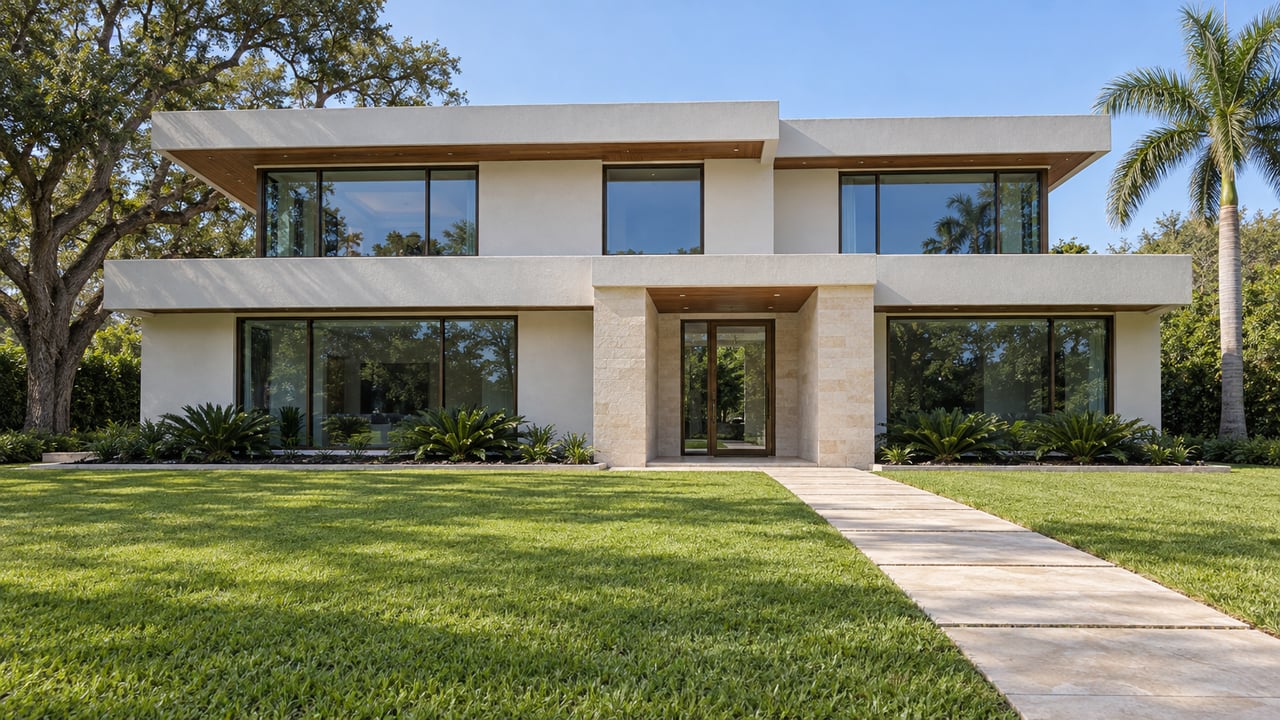
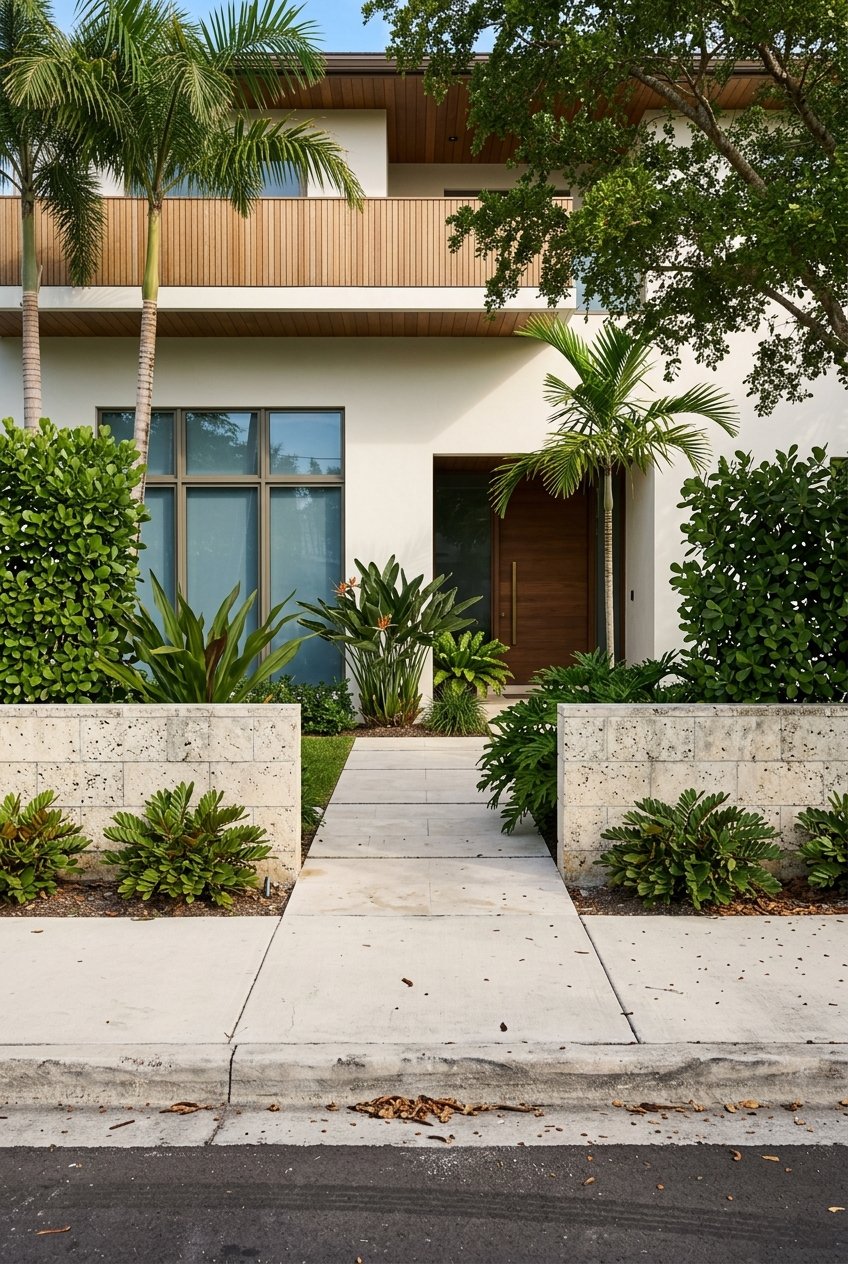
North Grove and South Grove are generally the quieter residential pockets of Coconut Grove. NCD-3 emphasizes preserving a heavily landscaped, single-family neighborhood character with tree canopy, green space, bay views, and a strong relationship to Biscayne Bay.
That planning intent helps explain why these areas often feel more secluded than the village core. You still have access to the broader Grove lifestyle, but the day-to-day setting is typically calmer and more private.
What buyers often notice here
If you are looking for less commercial activity and more residential character, North Grove and South Grove are often the places to study most closely. The HOA registry also reflects enclave-style groups in these sections, including North Grove, South Grove, Bay Heights, and Coconut Grove Park.
From a home search perspective, these pockets may appeal to buyers who value larger lots, mature landscaping, and a more tucked-away feel. The difference is not just visual. It can shape how the neighborhood lives on a daily basis.
Village West and Charles Avenue Carry Historic Identity
A culturally distinct part of the Grove
Village West is one of Coconut Grove’s most historically and culturally distinct micro-areas. NCD-2 identifies Grand Avenue and Douglas Road as the district’s main streets and notes that Charles Avenue historically housed original Bahamian settlements.
The city’s design guidelines also frame this section as a Caribbean Cultural District. That gives the area a layered identity that stands apart from both the village core and the quieter bayfront residential sections.
How the built environment looks and feels
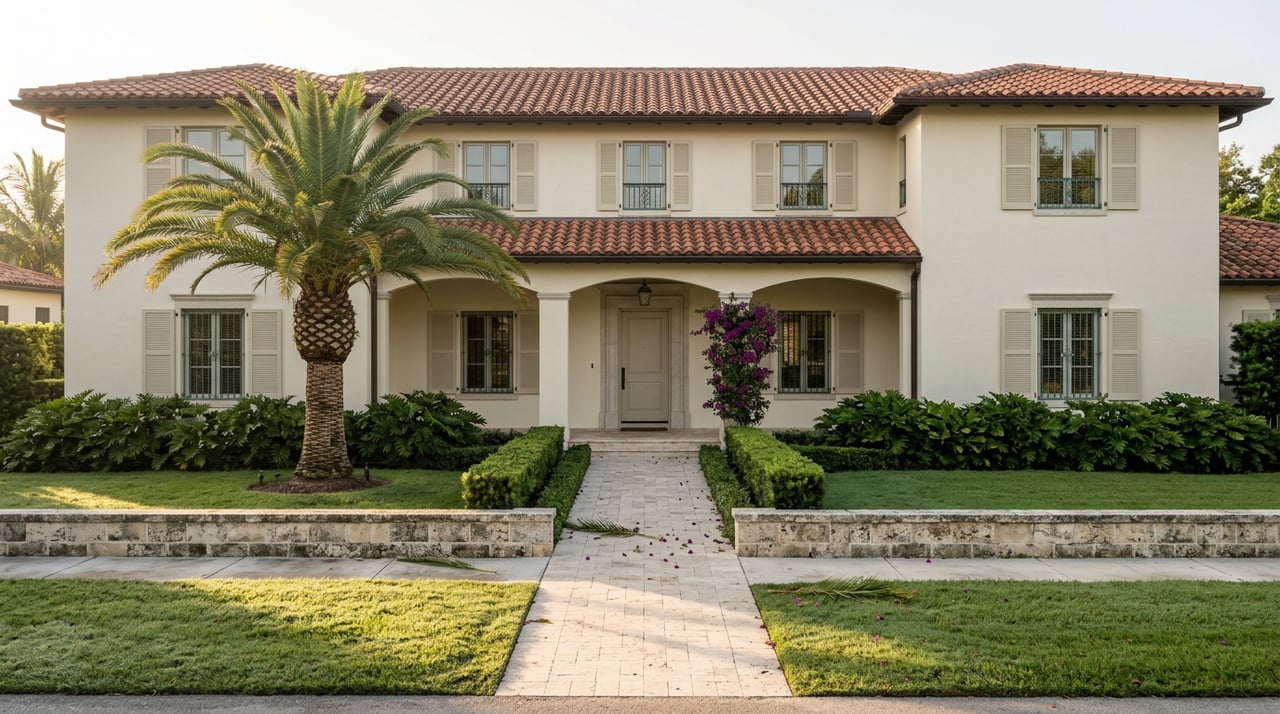
Historic preservation materials note that conch houses are found on Charles Avenue, with features such as rectangular massing, broad gabled or low hipped roofs, and balloon-frame construction. Bungalows are also described as a common Miami residential style in this area.
That architectural variety contributes to a streetscape that feels visually rich and historically grounded. If you are drawn to places with a strong sense of continuity and cultural texture, Village West and the Charles Avenue corridor may stand out.
Why the Grove Feels Lush and Low-Scale
Across Coconut Grove, city rules are designed to keep development compatible with the neighborhood’s character. In NCD-2, guidelines call for compatibility in scale, materials, roof slope, massing, and ornamental details on Charles Avenue, while also limiting many single-family structures to 25 feet in height.
The same guidance encourages abundant landscaping and tree canopy, along with front-yard design that minimizes the visual impact of garage fronts and off-street parking. NCD-2 also says adjacent lots should not use the same or duplicate architectural plans, which helps explain why many blocks feel varied rather than repetitive.
NCD-3 reinforces similar priorities around lot character, greenery, and the relationship to Biscayne Bay. That is a big reason Coconut Grove often feels lush, layered, and low-scale, even though the experience shifts noticeably from one micro-neighborhood to another.
How to Match the Right Micro-Neighborhood to Your Goals
If you are narrowing your home search, it helps to think first about how you want your days to feel. In Coconut Grove, that answer often points you toward the right pocket faster than price or square footage alone.
Here is a simple way to frame the differences:
- Village Center for the strongest walkability and easiest access to dining and shopping
- Waterfront areas for boating, parks, shoreline access, and bayfront recreation
- North Grove and South Grove for a quieter residential setting with more seclusion
- Village West and Charles Avenue for historic character and cultural depth
Two buyers can both want Coconut Grove and still be looking for completely different experiences. Understanding that early can save time and lead to better decisions.
What This Means for Buyers and Sellers
For buyers, micro-neighborhood knowledge helps you search with more precision. Instead of casting a wide net across all of Coconut Grove, you can focus on the sections that best match your lifestyle, priorities, and desired setting.
For sellers, knowing how your home fits within the Grove’s internal geography can sharpen your marketing story. A property near Dinner Key, Village Center, Charles Avenue, or a quieter North or South Grove pocket may attract attention for very different reasons.
That is why neighborhood guidance matters so much in Coconut Grove. The more specific your understanding, the more confidently you can position a property or evaluate one.
If you are considering a move in Coconut Grove, working with an advisor who understands the difference between the village core, the bayfront, and the residential enclaves can make the process feel far more strategic. For personalized guidance on Coconut Grove and nearby luxury markets, connect with the Cromer Team.
FAQs
What are the main micro-neighborhoods in Coconut Grove?
- The city planning framework highlights North Grove, Center Grove, South Grove, Village Center, and the Village West and Charles Avenue area as key parts of Coconut Grove.
Which part of Coconut Grove is most walkable?
- Village Center, especially around Grand Avenue, McFarlane Road, Main Highway, Commodore Plaza, and CocoWalk, is the Grove’s strongest walkable pocket for shopping and dining access.
Which area of Coconut Grove is best for waterfront access?
- The bayfront zone from Peacock Park through Dinner Key to Kennedy Park is the main waterfront section, with parks, marina access, and shoreline amenities.
What makes North Grove and South Grove different from the village core?
- North Grove and South Grove are generally quieter and more residential, with a stronger focus on tree canopy, open space, and single-family neighborhood character.
Why is Charles Avenue important in Coconut Grove?
- Charles Avenue is historically significant because city planning materials identify it with original Bahamian settlement history and a distinct architectural and cultural identity within the Grove.