If you love the idea of doing more on foot, Coconut Grove deserves a close look. In the right part of the neighborhood, you can build a daily routine around coffee runs, casual dinners, waterfront walks, park time, and transit connections without needing to drive everywhere. If you are considering a move, this guide will help you understand where a car-light lifestyle works best in Coconut Grove and what to look for in a home. Let’s dive in.
Why Coconut Grove Works Car-Light
Coconut Grove stands out because it blends neighborhood character with practical access to shops, parks, and transit. City of Miami planning documents describe it as a distinct neighborhood with sub-districts including North Grove, Center Grove, South Grove, and Village Center, along with bay views, public open space, recreational uses, commercial services, and a heavily landscaped residential setting.
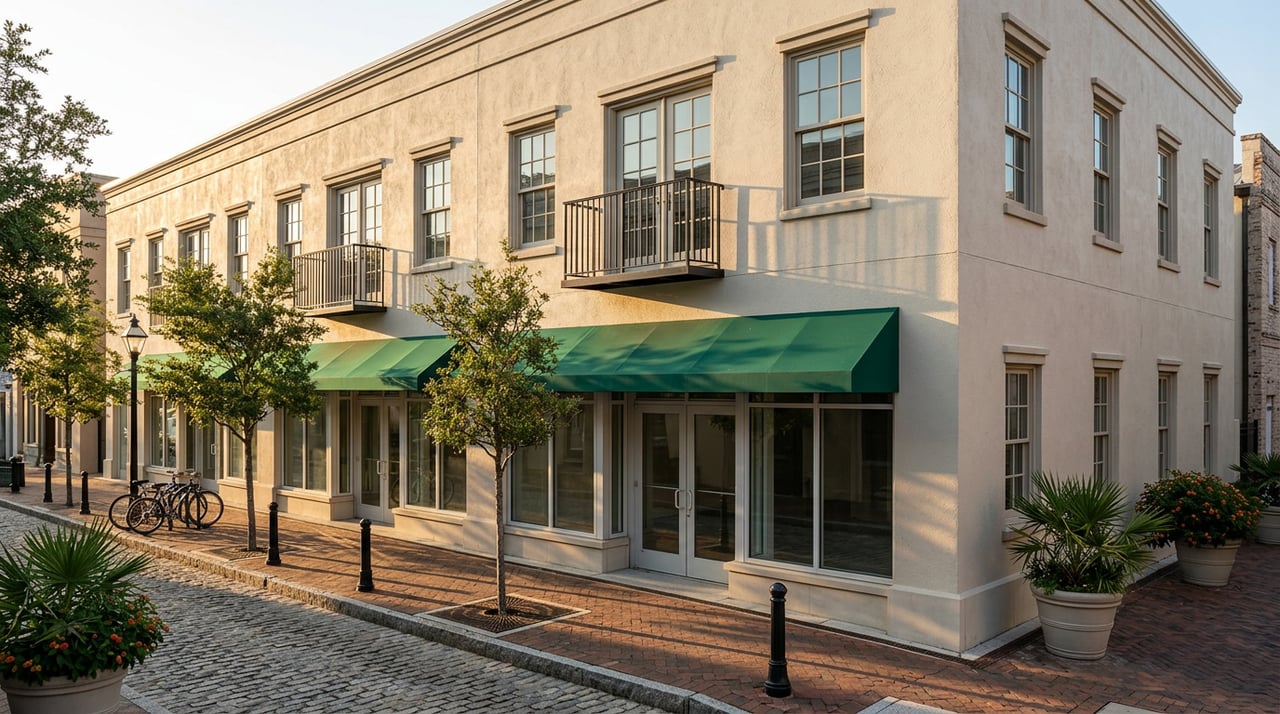
Just as important, the neighborhood’s planning framework supports a more pedestrian-friendly environment. The local zoning overlay calls for buffered sidewalks, pedestrian-oriented features like porches and plazas, ground-floor retail in key areas, and fewer curb cuts and driveways. In some residential districts, the rules also seek to reduce the visual dominance of garages and off-street parking.
That does not mean every block feels the same. Coconut Grove is best understood as car-light in pockets, especially near the Village Center and other connected areas where errands, dining, outdoor time, and transit can fit into one daily loop.
Where Car-Light Living Feels Easiest
The most convenient areas are usually closest to the Village Center, CocoWalk, South Bayshore, Main Highway, and the trolley and trail network. In these pockets, you are more likely to have restaurants, cafes, parks, and everyday activities within a shorter walk.
CocoWalk is one of the clearest anchors for daily life. The Coconut Grove Business Improvement District describes it as an iconic outdoor mall in the center of the Grove with more than a dozen boutiques, eateries, bars, cafes, and a 13-screen movie theater. For many residents, that kind of mixed-use core is what makes a lighter-car routine realistic.
The closer your home is to these connected areas, the easier daily logistics become. That is especially true if you want the option to walk to dinner, meet friends nearby, or spend time outdoors without planning every outing around parking.
Village Center Convenience
The Village Center is where Coconut Grove feels most naturally walkable. It brings together shopping, dining, entertainment, and access to public spaces in a compact area.
If your goal is to use your car less often, this part of the Grove offers the strongest day-to-day support. You can often combine multiple stops into one outing, which is one of the biggest advantages of living car-light.
Corridor Access Matters
Homes near South Bayshore Drive, Main Highway, and nearby connectors often benefit from better proximity to the neighborhood’s most active destinations. These stretches help link residential blocks to parks, retail, and transit options.
That does not guarantee a fully walkable routine for every household. Still, if you want flexibility, being near these corridors can make a noticeable difference in how often you choose to drive.
Transit Options That Support Daily Life
A car-light lifestyle usually depends on more than sidewalks alone. In Coconut Grove, the local trolley and Metrorail add another layer of convenience.
The City of Miami’s Coconut Grove trolley serves the historic neighborhood and connects to Coconut Grove Metrorail Station and Douglas Road Metrorail Station. It also serves places including Bayside Park, Armbrister Park, Douglas Park, and Grove Central, with service Monday through Saturday from 6:30 AM to 11:00 PM.
That schedule can be helpful for commuting, errands, and evening plans during much of the week. It also gives residents an option for local movement within the Grove without relying on a car for every short trip.
Metrorail Extends Your Reach
Miami-Dade’s Metrorail runs from 5:00 AM to midnight seven days a week. That broader schedule adds flexibility beyond the trolley and can support a car-light routine for residents who need a transit option throughout the week.
For buyers comparing neighborhoods, that matters. A home with access to both local circulation and regional transit can offer a different level of convenience than one that relies on driving for nearly everything.
One Important Weekend Note
The trolley does not run on Sunday. That means weekend convenience depends more on walking, biking, Metrorail, or using a car.
This is an important detail if you are trying to picture your real routine, not just the ideal version. Coconut Grove can support a car-light lifestyle, but your experience will depend on where you live and how you prefer to spend your weekends.
Walking and Biking in Coconut Grove
For many residents, car-light living is really about combining walking, biking, and occasional transit. In Coconut Grove, the Commodore Trail is a major part of that equation.
Friends of the Commodore Trail describes it as a five-mile pedestrian and bike pathway that links parks, schools, businesses, neighborhoods, transportation hubs, and waterfront streets in Coconut Grove. The route is heavily used for walking, biking, running, and recreation.
That kind of connection matters because it helps tie together the neighborhood’s everyday destinations. Instead of treating a walk or bike ride as a separate outing, residents can use the trail network as part of a normal daily routine.
Outdoor Movement Feels Built In
One of Coconut Grove’s biggest lifestyle advantages is that walking and biking often feel enjoyable, not just practical. The neighborhood is known for strong tree canopy, greenery, and a waterfront setting that can make short trips feel more pleasant.
That does not replace the need to evaluate a home’s exact location. But if you want a neighborhood where outdoor movement feels like a natural part of the day, Coconut Grove offers a compelling mix.
Parks and Waterfront Access
Coconut Grove’s car-light appeal is not only about errands. It is also about how easily recreation can fit into your routine.
Peacock Park is a 9.4-acre waterfront urban park on Biscayne Bay. The City of Miami lists bike racks and waterfront access among its features, and the city has also noted shoreline work that includes a kayak launch.
Regatta Park is another useful daily destination. The city lists a boat ramp, bike racks, waterfront access, and sunrise-to-sunset hours, making it a practical stop for outdoor time close to the neighborhood core.
A Different Kind of Walkable Lifestyle
Dinner Key Marina adds something unusual to the mix. The City of Miami describes it as a 587-slip marina with moorings, parking, shuttle service, and a short walk into Coconut Grove’s retail and entertainment district.
That combination helps define the Grove’s appeal. You are not just close to shops and restaurants. In the right location, you are also close to bayfront parks, marina activity, and the kind of outdoor setting that gives the neighborhood its urban-meets-tropical feel.
Best Home Types for Car-Light Living
If living with less dependence on a car is a top priority, condos and mixed-use residences near the Village Center usually offer the strongest fit. These locations tend to place dining, shopping, parks, and trolley access within a shorter distance.
The City of Miami’s HOA directory lists several condo properties in this part of Coconut Grove, including Grove Towers Condo on South Bayshore Drive, Yacht Harbour Condo on South Bayshore Drive, Abitare Condo on Main Highway, Grove Isle, and Two Park Grove Condominium. For buyers who value convenience, these kinds of locations may offer the easiest daily rhythm.
Single-family homes can still support a car-light lifestyle, but the experience is different. Coconut Grove’s single-family districts are often quieter, greener, and less retail-dense, with local zoning aimed at protecting low-density residential character, larger lots, and estate-lot patterns.
Condos Near the Core
If you want to walk to more of your routine, a condo near the neighborhood core is often the most practical choice. You may have easier access to CocoWalk, nearby dining, parks, and local transit.
This setup can be especially appealing if you are relocating and want a simpler transition into the neighborhood. It can also suit buyers who want convenience without giving up Coconut Grove’s distinct atmosphere.
Single-Family Homes With Trade-Offs
If you prefer a single-family home, you may gain privacy, greenery, and a quieter residential setting. At the same time, you may be farther from the destinations that make daily life easier without a car.
That trade-off is not negative. It simply means your location within Coconut Grove matters a great deal if car-light living is one of your goals.
What Buyers Should Look For
If you are serious about living car-light in Coconut Grove, focus less on broad neighborhood labels and more on the immediate area around a property. Two homes in the same neighborhood can support very different daily routines.
As you compare options, pay attention to:
- Distance to the Village Center or CocoWalk
- Proximity to trolley stops and Metrorail access
- Access to the Commodore Trail
- Walkable routes to parks like Peacock Park or Regatta Park
- Whether your routine leans more on dining, recreation, transit, or all three
The right home depends on how you live. Some buyers want to walk to dinner and waterfront parks. Others care more about a transit connection or a nearby bike route.
The Bottom Line on Coconut Grove
Coconut Grove is not uniformly walkable, and that is the most useful truth to keep in mind. The neighborhood works best for car-light living in connected pockets, especially near CocoWalk, the Village Center, trolley stops, the Commodore Trail, Peacock Park, Regatta Park, and Dinner Key Marina.
For the right buyer, that mix can be hard to replicate. You get a neighborhood with greenery, shoreline access, and a lived-in local feel, along with parts of the Grove that make it possible to do more of life on foot, by bike, or through transit.
If you are exploring Coconut Grove and want guidance on which streets, buildings, or property types best match your lifestyle, the Cromer Team offers discreet, concierge-level advice tailored to how you want to live.
FAQs
Is Coconut Grove fully walkable for daily living?
- No. Coconut Grove is best described as car-light in certain pockets, especially near the Village Center, CocoWalk, parks, trail connections, and transit-served areas.
What part of Coconut Grove is best for car-light living?
- Areas near the Village Center, CocoWalk, South Bayshore, Main Highway, and the trolley and trail network generally offer the easiest day-to-day convenience without relying as much on a car.
Does Coconut Grove have public transit for residents?
- Yes. The Coconut Grove trolley runs Monday through Saturday from 6:30 AM to 11:00 PM, and Miami-Dade Metrorail runs seven days a week from 5:00 AM to midnight.
Can you bike around Coconut Grove without driving everywhere?
- In some parts, yes. The Commodore Trail is a five-mile pedestrian and bike pathway that connects parks, businesses, neighborhoods, transportation hubs, and waterfront streets.
Are condos or houses better for car-light living in Coconut Grove?
- Condos and mixed-use residences near the Village Center typically offer the strongest fit for car-light living because they are often closer to dining, retail, parks, and transit.
What parks support a car-light lifestyle in Coconut Grove?
- Peacock Park and Regatta Park are two key examples, with waterfront access and bike-friendly features that can fit easily into a daily routine.