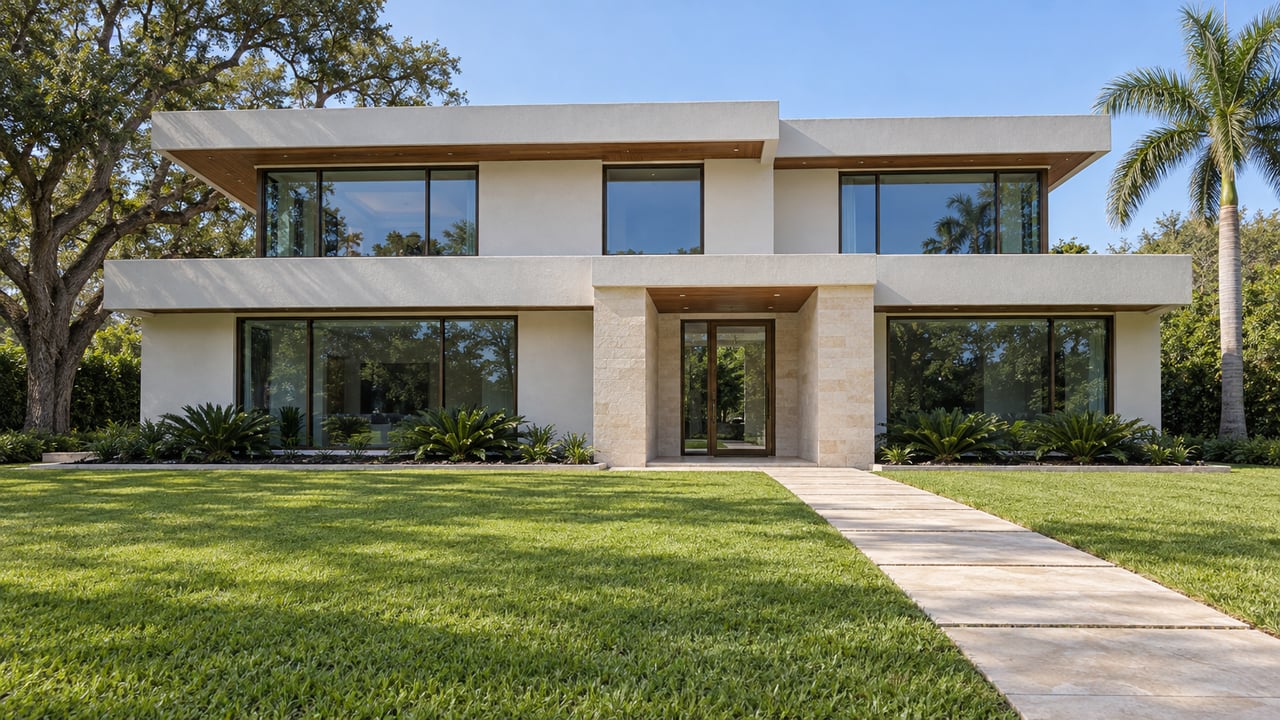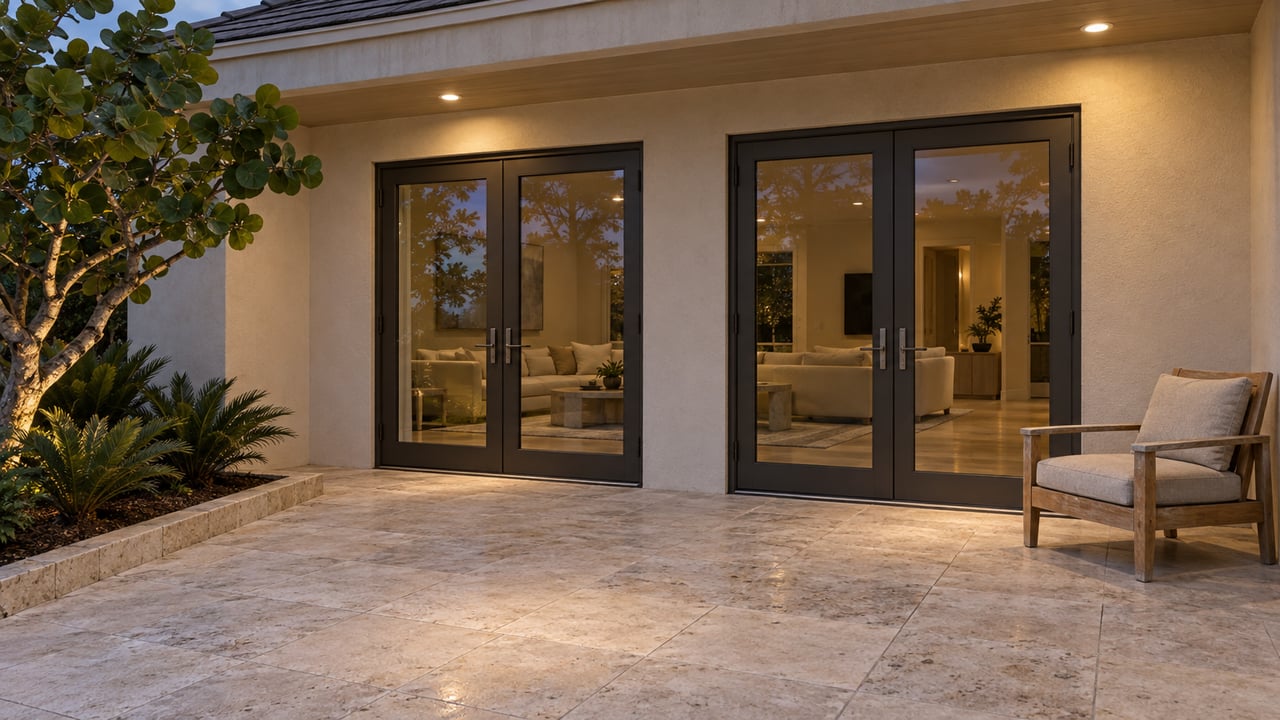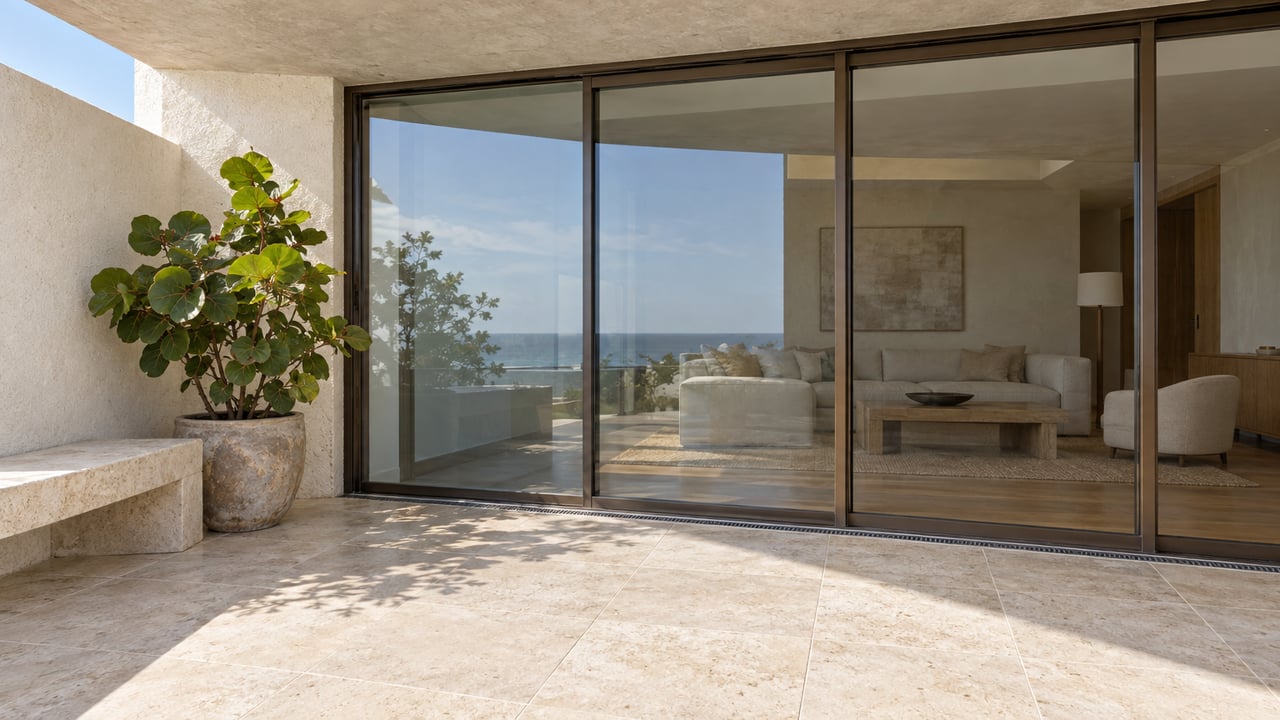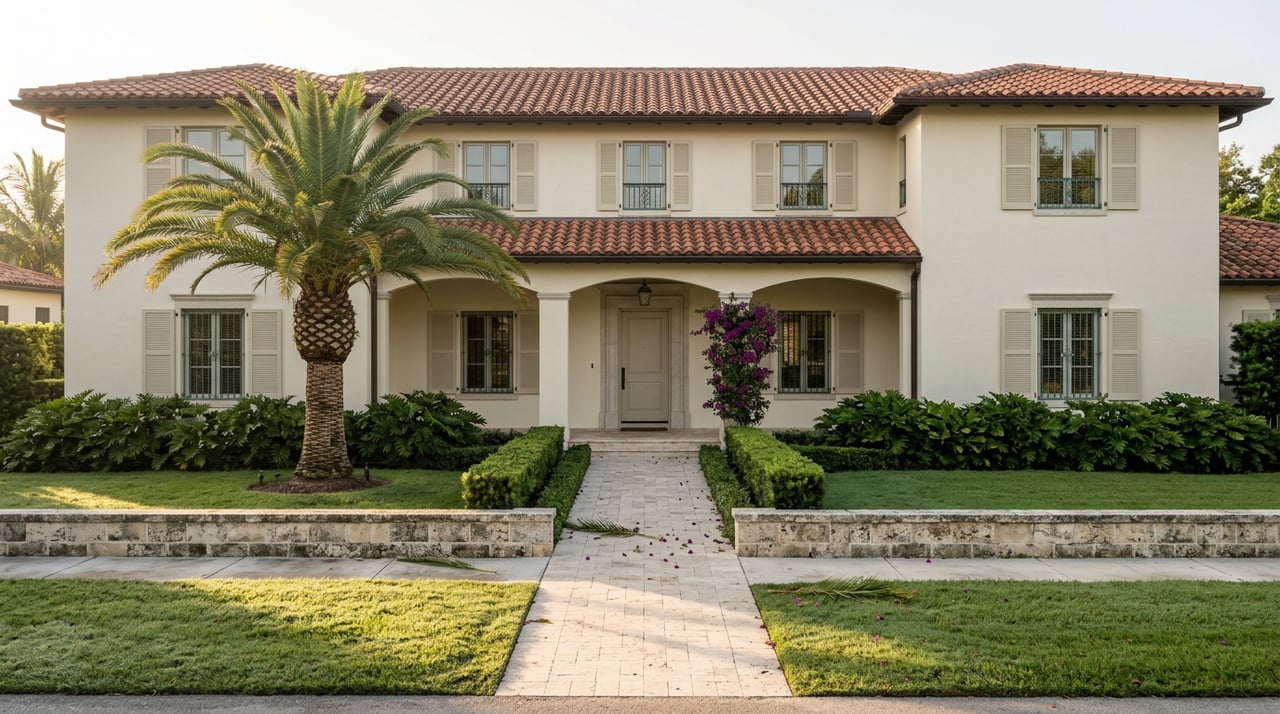
If you are weighing whether to build or buy in Ponce-Davis, you are not alone. In this pocket of Miami-Dade’s luxury market, the decision often comes down to one simple question: do you want speed and certainty, or do you want a home shaped around your exact vision? The good news is that both paths can work well here when you understand the tradeoffs. Let’s dive in.
Why this decision is different in Ponce-Davis
Ponce-Davis is not a one-size-fits-all neighborhood. It sits along the edge of multiple jurisdictions, and Miami-Dade’s annexation map shows it adjacent to Coral Gables, Miami, South Miami, Pinecrest, and unincorporated county land.
That matters because your property’s exact location can affect which building department controls permits. If a parcel is inside an incorporated city, that city, not Miami-Dade County, may oversee the review process. Before you assume what can be built or how long approvals may take, it is smart to verify jurisdiction at the parcel level.
What the Ponce-Davis market looks like now
Ponce-Davis is a thin, high-value market where a few transactions can shift the numbers quickly. According to the Brown Harris Stevens Q4 2025 market report, single-family homes in Ponce-Davis posted 4 closed sales, a $6.04 million average sale price, a $5.525 million median sale price, 13 active listings, a 9.8-month absorption period, 216 median days on market, and a 5% listing discount.
Those numbers suggest a market with limited inventory but more negotiating room than you might expect in a tighter segment. They also need context. With only a handful of sales each quarter, Ponce-Davis data can swing sharply, so your strategy should focus on the specific property in front of you, not just the headline stats.
At a broader level, MIAMI Realtors reported that Miami-Dade single-family homes had 6.2 months of supply in February 2026, which it described as a balanced market. For luxury homes, inventory was much deeper, with 19 months of supply in the million-dollar segment at the end of October 2025. In other words, buyers in Ponce-Davis may have room to negotiate, but truly turnkey estate homes can still be hard to replace.
When buying makes the most sense
Buying an existing estate usually works best when you value timing, clarity, and lower execution risk. You can walk the lot, evaluate the floor plan, see the landscaping, and get a better sense of how the home fits your lifestyle before you close.
That can be especially valuable in a neighborhood like Ponce-Davis, where homes vary widely in age, style, and updates. If you find a property with the right location, lot, and general layout, buying may get you into the neighborhood much faster than starting from scratch.
Benefits of buying an existing home
Here are a few reasons buyers often choose this route:
- You can typically close faster than you can complete a custom build.
- You see the finished product before making a decision.
- The upfront process is often simpler than coordinating land, design, permits, and construction.
- In the current market, longer days on market may create room for negotiation on some listings.
The Q4 2025 Ponce-Davis report showed 216 median days on market and a 5% listing discount. That does not guarantee a deal on every home, but it does suggest that some sellers may be more flexible, particularly when a property has been sitting.
Due diligence matters more than ever
If you buy an older or heavily renovated estate, permit history is a major part of your review. In unincorporated Miami-Dade, buyers can check permit and plan history through the county’s plan library, which may help confirm prior additions, remodels, or other work.
That step is worth taking because Miami-Dade warns that work completed without a required permit can lead to fines, inspection issues, and resale complications. On estates with guesthouses, pool structures, or extensive renovations, this review can save you from expensive surprises later.
When building makes the most sense
Building is often the better fit when your priorities are highly specific and available inventory does not meet them. If you want a certain floor plan, newer systems, or a compound-style layout, custom construction may be the clearest path.
That logic fits how this market behaves. Inventory remains limited, and in a small luxury submarket, it is not always realistic to wait for the perfect home to appear.
Benefits of building custom
A custom build may be worth considering if you want to:
- Design around your day-to-day lifestyle
- Prioritize newer construction standards and systems
- Create a layout that is difficult to find in resale inventory
- Plan for features such as separate guest space, if allowed on the lot
Still, building comes with more moving parts. You are not just choosing finishes. You are coordinating land, zoning, architecture, engineering, permitting, contractors, inspections, and timing.
What to check before you build
The first step is zoning. Miami-Dade’s EU-S estate district standards are one example of how detailed these rules can be. In that district, single-family homes and customary uses are allowed, lot coverage is capped at 30% of net lot area, and setbacks include 35 feet in the front, 25 feet in the rear, 15 feet on interior sides, and 25 feet on side streets.
Those rules do not apply to every parcel in Ponce-Davis. Different lots may fall under different zoning districts, so the county’s land management tools and parcel-level review are essential before you underwrite a teardown or vacant lot.
Guesthouse and ADU questions
Many buyers in this area ask whether they can add guest space. According to Miami-Dade plan review guidance, one accessory dwelling unit or guesthouse may be allowed on qualifying single-family lots in certain districts. Requirements can include a certificate of use, parking, setback compliance, and a minimum 7,500-square-foot lot.
That means the answer is not a simple yes or no. It depends on the lot, the zoning district, and the project details.
How the permit process affects timing
One of the biggest differences between building and buying is the approval timeline. Miami-Dade’s permit process can involve multiple disciplines, including building and structural review, zoning, public works, environmental review for flood issues, tree removal, sanitary sewer capacity, and sometimes water and sewer, fire rescue, or the state health department.
Miami-Dade also says it is using the 8th Edition Florida Building Code. For more complex projects, signed and sealed drawings from a licensed architect or engineer are typically required, and while initial plan review can range from 24 hours to 10 business days, revisions can add more time.
For larger builds, the county also flags added engineering concerns for below-grade structures and excavation near neighboring buildings. This is why custom construction can deliver a more tailored result, but usually with more coordination and less certainty on timing.
Budget differences to expect
The cost conversation is not just build versus buy price. It is also about how many variables you are taking on.
With a custom project, your budget may need to include:
- Land or teardown premium
- Demolition
- Design and architectural fees
- Survey and engineering
- Permit fees
- Utility, sewer, or flood-related upgrades
- Landscaping
- Contingency for revisions or site surprises
That structure reflects the county’s review requirements and the reality of building in a regulated luxury market. Permit fees vary based on permit type, scope of work, square footage, home type, and project value, according to Miami-Dade’s homeowner permit guidance.
Buying and renovating is often simpler upfront, but it is not risk-free. You still need room in your budget for improvements after closing and for any permit legalization issues that may surface during due diligence.
Build or buy: a simple comparison
| Option | Best For | Main Advantage | Main Tradeoff |
|---|---|---|---|
| Buy existing | Buyers who want speed and more certainty | Faster path into the neighborhood | You may compromise on layout or finishes |
| Buy and renovate | Buyers who find the right lot and location but not the perfect home | More flexibility than pure resale | Renovation scope and permit history can add risk |
| Build custom | Buyers with a specific vision | Full personalization and newer systems | Longer timeline and more approvals |
How to decide which path fits you
If your top priority is getting into Ponce-Davis with less delay, buying an existing home usually offers the clearest path. If you are willing to renovate, you may gain flexibility while avoiding the full complexity of ground-up construction.
If your priority is a very specific design, newer infrastructure, or a layout that current inventory does not offer, building may be worth the longer runway. In this neighborhood, the tradeoff is usually speed and certainty versus total customization.
The right answer often comes down to your timeline, tolerance for complexity, and how specific your must-haves really are. In a market where inventory is limited and regulations are parcel-specific, careful planning matters as much as budget.
Whether you are evaluating a teardown, a renovation candidate, or a move-in-ready estate, the best first step is a strategy built around the exact property and your long-term goals. If you want discreet guidance on your next move in Ponce-Davis, connect with the Cromer Team for a private consultation.
FAQs
Should you build or buy in Ponce-Davis if you want to move quickly?
- Buying an existing home is usually the faster option because you can avoid the longer design, permitting, and construction process tied to a custom build.
How much negotiation room is there for Ponce-Davis homes?
- The Q4 2025 Brown Harris Stevens report showed a 216-day median days on market and a 5% listing discount, which suggests some listings may offer negotiation room, though standout properties may still attract strong interest.
How do you check zoning for a Ponce-Davis lot?
- Zoning should be verified parcel by parcel because Ponce-Davis sits near multiple jurisdictions, and the applicable rules depend on the exact location and governing authority.
Can you add a guesthouse or ADU in Ponce-Davis?
- Possibly, but it depends on the lot and zoning district, and Miami-Dade notes that qualifying single-family lots in certain districts may allow one accessory dwelling unit or guesthouse if specific requirements are met.
How long does a custom home permit review take in Miami-Dade?
- Miami-Dade says initial plan review can take from 24 hours to 10 business days, but revisions, multi-discipline reviews, and project complexity can extend the overall timeline.
Why is permit history important when buying a Ponce-Davis estate?
- Permit history can reveal whether prior additions, remodels, or accessory structures were properly approved, which helps you avoid fines, inspection issues, and resale problems later.