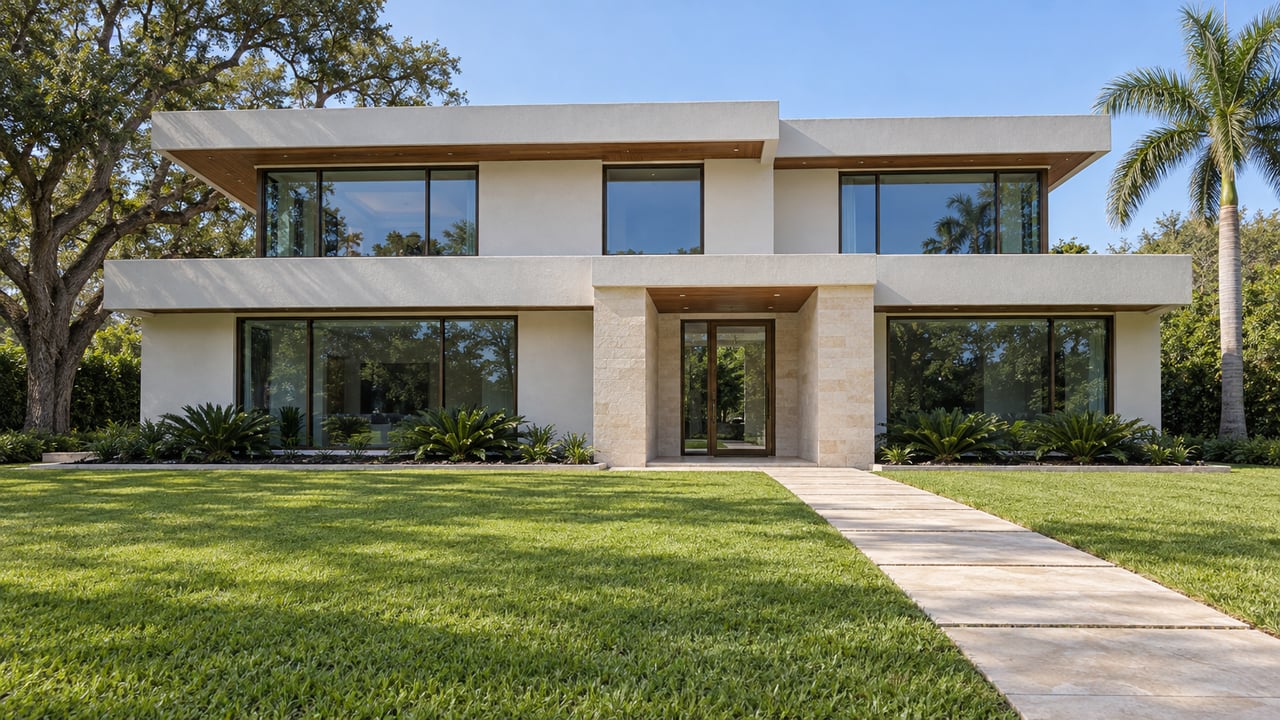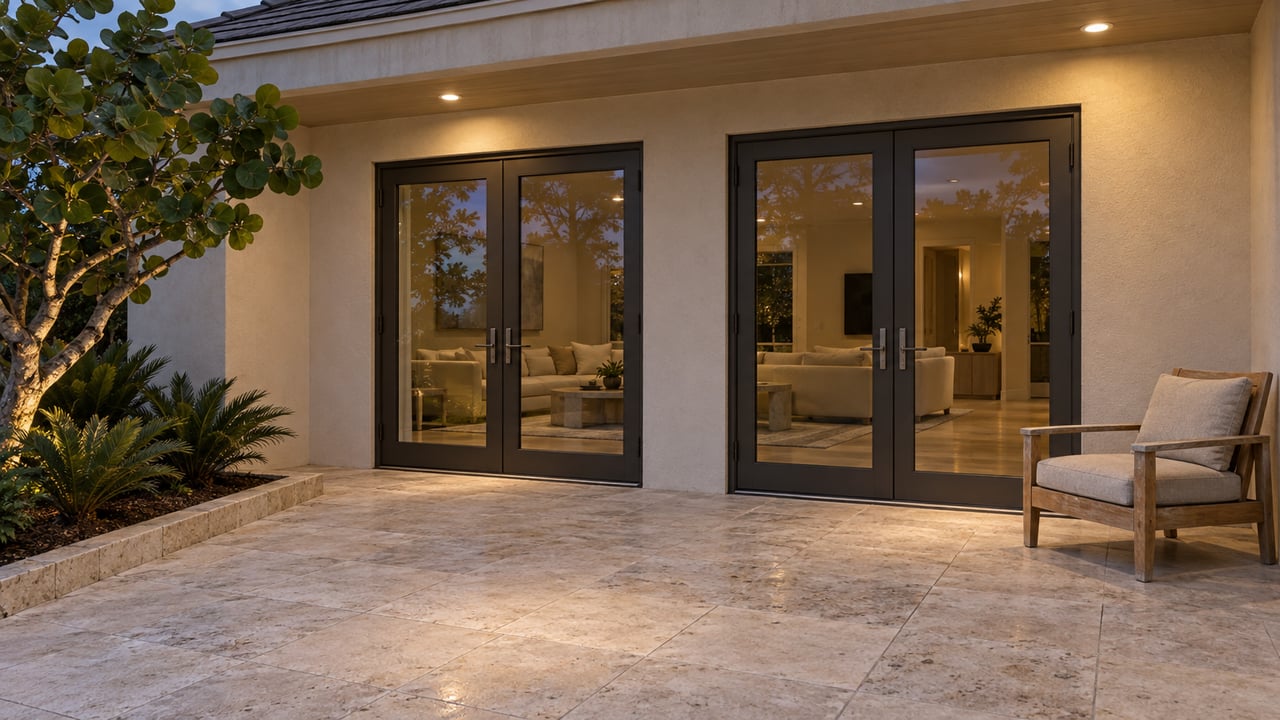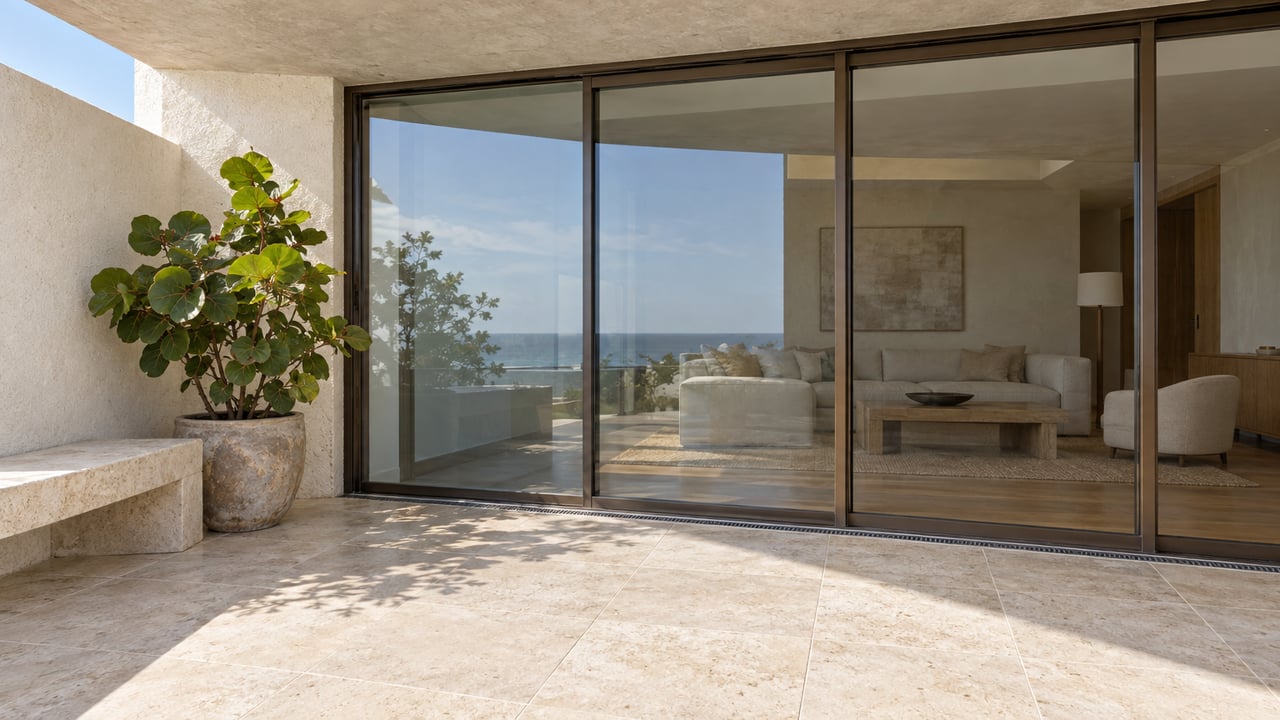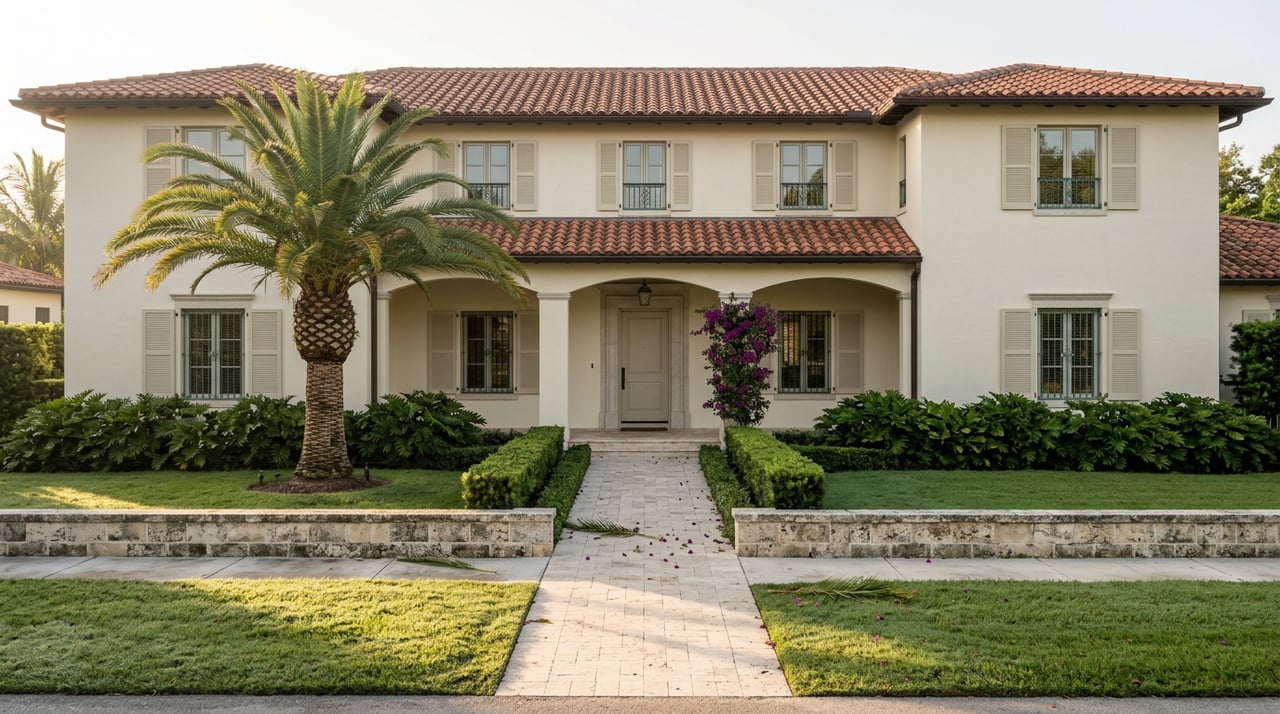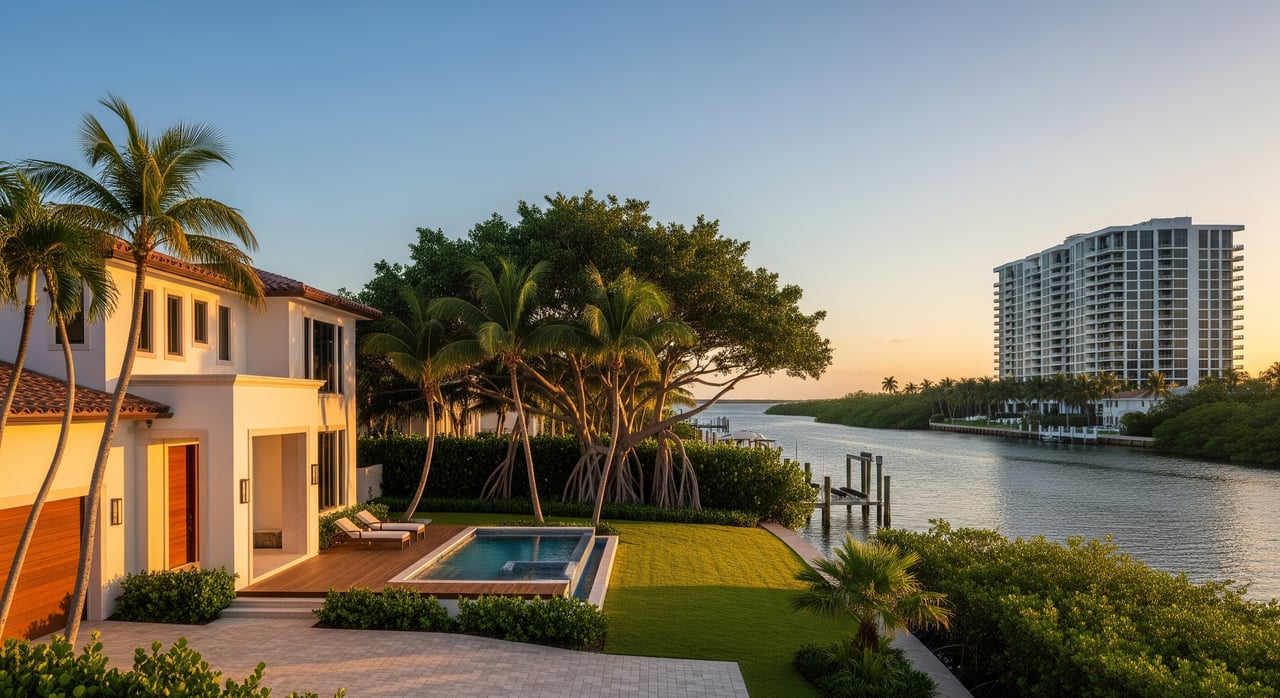
Trying to choose between a single-family home and a condo in Coconut Grove, Lee County? You are not alone. The right fit comes down to your budget, risk tolerance, lifestyle, and long-term plans. In this guide, you will learn how each option compares on total monthly cost, maintenance, insurance, privacy, amenities, and resale so you can move forward with confidence. Let’s dive in.
Start with exact location
Before you compare properties, verify the exact legal neighborhood and parcel details. Neighborhood names can be informal in Lee County. Check the legal description and parcel data with the Lee County Property Appraiser and confirm how the local MLS classifies the area. This matters for comps, school-district boundaries, and flood zone checks.
If you are considering coastal or near-coastal streets, note elevation, proximity to mangroves or estuary, and whether the block has a history of street flooding. These details influence insurance costs, maintenance, and future resale.
Compare total monthly cost
Look beyond list price. Create an apples-to-apples monthly estimate for each property:
- Mortgage principal and interest
- Property taxes
- Homeowners or condo insurance
- HOA or condo fees
- Utilities and estimated maintenance
For condos, fees often include exterior maintenance, roof, landscaping, common-area utilities, reserves, and a master insurance policy. Some associations include water, sewer, and trash. Single-family HOAs, if present, usually cover common areas and amenities but not your home’s roof or exterior.
Tip: Ask if fees are monthly or quarterly and what utilities are included. Request the association’s budget, latest reserve study, and a record of past special assessments. Low reserves plus visible deferred maintenance can signal higher risk for future assessments.
Insurance and flood risk in Lee County
Insurance is a key line item in coastal markets. Your premium may vary based on flood zone, elevation, roof age, and hurricane mitigation features.
- Flood zones. Use FEMA flood maps to confirm whether the property is in AE, VE, or X. Lenders generally require flood insurance for AE or VE zones. An elevation certificate can help refine the premium estimate.
- Wind and hurricanes. Florida policies may separate windstorm coverage or include it in a broader policy. Wind mitigation inspections can reduce costs. Citizens Property Insurance may be an option when private coverage is limited, but eligibility and pricing change over time.
- Condo master policy. Find out if the association’s master policy is bare walls or all-in. Most condo owners also carry an HO-6 policy to cover interiors and personal property. Ask how hurricane deductibles are applied. Some associations set high deductibles that can pass costs to owners after a major event.
- Single-family coverage. Expect to carry a full HO-3 or HO-5 policy and separate flood insurance if required. Homes with newer roofs, shutters or impact windows, and engineered mitigation may qualify for credits.
Maintenance and daily living
Your time and control over repairs will differ between property types.
- Single-family. You handle exterior, roof, yard, pool, and systems. This takes time and budget, but you decide when and how to maintain or upgrade.
- Condo. The association manages the building exterior, roof, common areas, landscaping, and shared systems. You focus on the interior. This lowers hands-on effort but shifts decisions to the HOA, including timing and cost of big projects.
If you travel often or prefer lock-and-leave living, a condo’s centralized maintenance can be a plus. If you value autonomy and outdoor projects, a single-family home can be more satisfying.
Parking, storage, and space
Think through your daily routines and vehicle needs.
- Single-family. Typically more parking and storage. Garages, driveways, and yards allow for gear, tools, and outdoor living. Privacy is higher with no shared walls.
- Condo. Parking may be assigned or covered. Guest spaces can be limited. Storage often includes in-unit closets and small cages if available. Ask about charging options if you own or plan to buy an EV.
Amenities and walkability
Condos often deliver easy living with shared amenities such as a pool, fitness room, meeting space, landscaping, and security. Fees reflect these benefits. Single-family homes trade shared amenities for private outdoor space and potential for a pool or additions.
Walkability varies block by block. Review proximity to grocery, dining, parks, marinas, and healthcare. If boating is part of your lifestyle, confirm marina access, dock rules, and any waitlists for slips. For buyers who want a car-light lifestyle, compare condo locations in more walkable nodes to single-family streets set back from commercial corridors.
Resale dynamics and buyer pools
Buyer behavior differs between property types.
- Single-family homes. Appeal to buyers seeking yards and privacy. Outdoor space and lot improvements often contribute to value. Saleability leans on lot quality, layout, roof and system ages, and flood elevation.
- Condos. Attract downsizers, investors, second-home owners, and buyers who want minimal upkeep. Resale depends on the association’s financial health, maintenance history, owner-occupancy ratio, rental rules, and any litigation. Buildings can be more cyclical if there is oversupply of similar units.
For both segments, pull separate comps in the same neighborhood and monitor inventory, days on market, and price trends through the local MLS or Florida Realtors reports.
Financing and condo eligibility
Financing is typically more straightforward for single-family homes across conventional, FHA, VA, and portfolio loans, subject to borrower qualifications.
Condos have an added layer. Lenders review the association’s budget, reserves, owner-occupancy ratio, litigation, and dues delinquencies. Projects that do not meet Fannie Mae, Freddie Mac, FHA, or VA criteria may have limited loan options. Ask your lender to review condo project eligibility early, and be prepared to obtain a condo questionnaire, budget, and insurance certificates from the association.
Rental rules and short-term stays
Rental potential depends on both local ordinances and association rules. Some associations require minimum lease terms or restrict the number of leases per year. Others may prohibit short-term rentals entirely. Confirm the municipal code and the condo bylaws before you run income numbers. For single-family homes in HOAs, review community documents for leasing restrictions and approval processes.
Site and systems to verify
The property’s physical setup affects cost and comfort.
- Flood zone and base flood elevation
- Roof age and wind mitigation features
- Street drainage and any history of tidal or storm surge effects
- Sewer vs septic, including permit history and condition
- HVAC, electrical, and plumbing system ages
- Survey and any encroachments
For waterfront proximity, verify any private dock rights, marina rules, and permitting limits that apply to the block.
Decision framework
Use this simple framework to match the property type to your goals:
- Priority 1. Total monthly housing cost, including HOA or condo fees and insurance
- Priority 2. Private outdoor space and parking needs
- Priority 3. Time and tolerance for maintenance
- Priority 4. Desire for amenities and low-effort living vs autonomy
- Priority 5. Comfort with HOA governance and potential special assessments
- Priority 6. Financing needs and condo project eligibility
- Priority 7. Long-term plans, including resale horizon and potential rental use
Example buyer profiles
- Young professional or couple. Wants amenities and minimal upkeep. A condo in a walkable node can fit. Focus on HOA finances, master policy details, parking, and noise levels.
- Growing family. Values yard, privacy, and flexible space. A single-family home with a garage and outdoor area may be the better match. Check flood elevation, drainage, roof and AC ages, and utility setup.
- Retiree or frequent traveler. Prefers lock-and-leave and social amenities. A condo with reliable elevators, on-site maintenance, and well-funded reserves can work well.
- Investor. Either property type could fit, but rules matter. Confirm rental restrictions, run cash-flow with HOA fees and vacancy assumptions, and confirm lender requirements for buildings with higher rental ratios.
What to request before you buy
Be proactive with due diligence so there are no surprises after closing.
- Seller disclosures and a professional home or condo inspection
- HOA or condo financial statements, current budget, and latest reserve study
- Minutes from the last 12 to 24 months of board meetings
- Certificate of insurance for the association and summary of coverages and deductibles
- Bylaws and declaration, including rules for rentals, pets, and assessments
- Flood map printout and elevation certificate if required by your lender
- Septic records and permits if applicable
- Records of major capital projects such as roof, elevator, or structural work
The bottom line
Single-family homes deliver privacy, parking, and control, with higher hands-on maintenance and potentially higher insurance. Condos offer low-effort living and amenities, with fees that bundle services and risks shared through the association. In Coconut Grove, Lee County, your best choice comes from comparing total monthly cost, evaluating flood and wind exposure, and reviewing the quality of the building or lot you choose.
If you want a thoughtful, side-by-side analysis tailored to your needs, we are here to help. Request a private consultation with the Cromer Team to build an apples-to-apples comparison, line up local specialists, and move forward with clarity.
FAQs
What costs differ most between condos and houses in Coconut Grove, Lee County?
- Expect different mixes of insurance and maintenance: condos shift exterior costs into fees and master policies, while single-family homes carry full exterior maintenance and standalone wind and flood policies.
How does flood zone status affect insurance for Coconut Grove buyers?
- Homes or buildings in AE or VE zones typically require flood insurance for financed purchases, and premiums depend on elevation, mitigation features, and the property’s elevation certificate.
Which condo documents should I review before buying in Lee County?
- Request the budget, reserve study, recent board minutes, certificate of insurance, bylaws, and a history of special assessments or pending projects.
How do condo rules impact financing and rentals?
- High rental ratios, low reserves, litigation, or dues delinquencies can limit loan programs, and bylaws may restrict lease terms or frequency, which affects both financing and income plans.
What are the main lifestyle trade-offs between a condo and a single-family home?
- Condos offer lower maintenance and shared amenities with less privacy and space, while single-family homes provide outdoor living and autonomy with more upkeep and responsibility.
What should I verify for a single-family home near the coast in Lee County?
- Confirm flood zone and elevation, roof age and wind mitigation, street drainage, sewer or septic status, and any waterfront or docking rules that affect how you can use the property.